Selling Into the Federal Government - Harvey Morrison - Shift & Thrive - Episode # 086
S&T_Harvey Morrison
===
[00:00:00] In today's business world, change is the only constant, and mastering transformation is the ultimate key to success. Welcome to Shift and Thrive. I'm your host, Natalie Nathanson.
Each week we'll bring you conversations with CEOs who delve into how they successfully drove critical change in their organization. This show is sponsored by Magnitude Consulting, bringing you the thinking power of a growth consult. And the getting it done, power of a full service B2B marketing agency.
Natalie Nathanson: I am really looking forward to today's episode, especially because today's guest is someone I've known and respected and collaborated with for over 15 years, since our time working together at a business intelligence software startup. He also has deep expertise selling innovative tech into the federal government, which is an area we haven't covered much on the show.
So I'm excited to geek out a bit together there. But first, let me give him a proper [00:01:00] introduction. He is a founder, advisor, and investor who has built his career at the intersection of technology, government, and complex enterprise sales. Earlier in his career, he held multiple senior and executive level sales leadership roles, leading high performing teams across public sector and commercial markets, navigating some of the most complex and demanding buyer environments in tech Today, he's the founder and CEO of a affirm dedicated to helping technology companies successfully enter and scale.
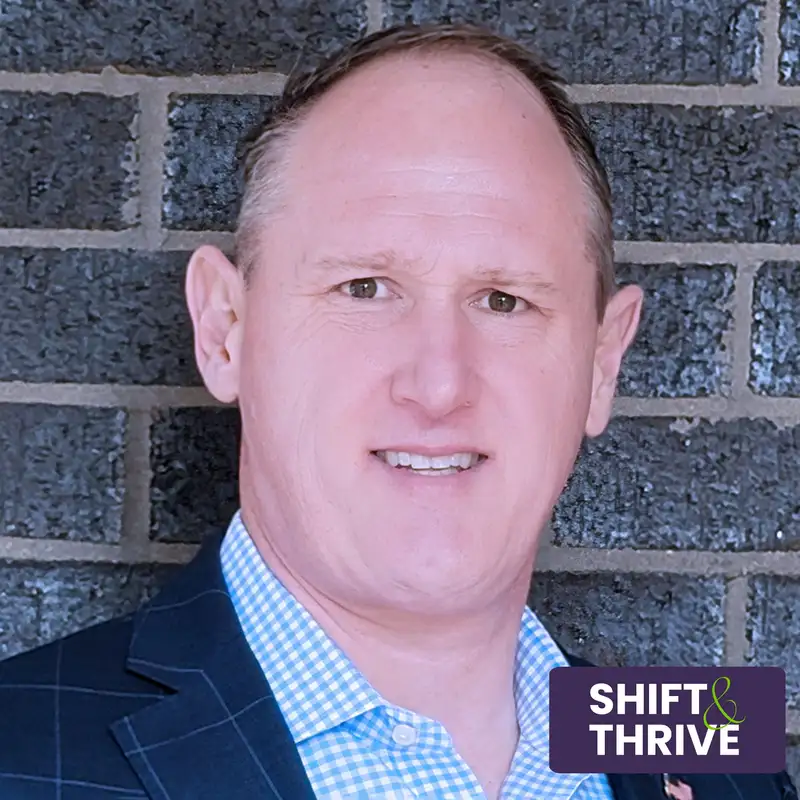
Within the federal government market and through his work, he partners closely with founders and executive teams, bringing a seasoned operator's perspective to revenue strategy, positioning, and execution in highly regulated and high stakes environments. He is the founder and CEO of Mion Square, Harvey Morrison, welcome to the show.
Harvey Morrison: Thanks very much Natalie. Uh, really excited to be here and Wow. Has it been 15 years that, that we've worked
together?
I think we both started when we were 12, right? Is Is
kind of the We must have. I'm, I'm want to go with that. So, uh, no, really excited [00:02:00] to be here. And like I say, we've, we've had the opportunity to collaborate, You know, on a bunch of different projects
over the
years, And so, uh, working with you on this one or being a part of
your podcast is, uh, is
great.
So thanks for the opportunity.
Natalie Nathanson: Yeah. Yeah. Very excited to to dive in and.
I know, um, You know, you've advised a lot of tech CEOs trying
to break into,
You know, a range of complex high stake stakes markets and especially in the federal government. So I wanted to start with the federal side, and when founders really think about expanding into government, what are the most expensive mistakes that they make?
Things that cost, I dunno, time, money, momentum, any of the above.
Harvey Morrison: That, that's a good
question. Look, the, federal government, and I always advise organizations
about this, It can be a real game changer for companies. If you think about Qualcomm, if you think about Oracle, if you think about Palantir, all those.
organizations
really started with a genesis of a federal project, right? So Oracle came out of the CIA, [00:03:00] Qualcomm started as an SBIR. So, so, I mean, government can be a real game changer, but it can also be a real suck and waste of time and resources if you don't go about it. Right. And I think, You know, in looking at it over the years where I have seen the biggest.
Waste of
resources and
time is, is just assuming the federal government is
one market.
and I'm
diving into that and I
just want to go meet anybody and everybody that I came to talk about my product or
my
service. Government, everything government does really runs around their budget cycles
and
you can meet with somebody and they can say, Hey, I love your technology.
It's the greatest thing in the world.
It can
save me a whole lot of time and money, uh, improve my mission. But if they don't have a budget or a mandate to buy it. They're just not gonna be able to do that. So we always advise our clients to start going into the government space with a really solid foundation and knowledge of
[00:04:00] which
agencies actually have a budget or a mandate for what they're doing, which programs are a fit and are funded for what they're doing.
And that's where you really wanna start your Go-to-market. Right? Understand that.
And then build
your whole Go-to-market around that particular piece of it that'll prevent you from running around the beltway,
having lots of
great meetings, and then not getting any business at the end of the day. So that, that's probably, You know, we work with a mixture of small companies and, and large companies as, as well, but the small companies, that's probably the biggest thing
we hear
when we, when we hear about mistakes
is w we didn't
know where to start.
So we
just started
and, and any meeting was a good meeting. And we've had 50 meetings and haven't sold anything, right? That's, that's probably the biggest, not properly targeting. And, and, and now that kind of flows also into the hiring piece of this as well as we've
had some
companies not do the research, go out and hire what
they thought was, You
know, the best [00:05:00] representative to, to take their product to market.
Only to find
out that, You know, our market maybe isn't in Department of Justice. Our market is Department of Defense. We probably should have hired somebody that had background in that versus somebody that had a background somewhere else. So, so again, I think it all starts with knowing who your, who your customer is, and which one of those
actually has
a budget or a mandate to do something.
Natalie Nathanson: Yeah, I think that's so important. I mean, what you just explained with the, uh, like companies hiring the, the best rep, so to speak. I think that's just such a prevalent lesson. I mean, we've seen that in other environments too, like on the go to.
Market side, you hire this like, You know, really strong like digital marketing lead and then you realize that you actually need a channel marketing strategy, right?
So you're kind of like stuck at least temporarily with the, the wrong person. So I think that don't invest too fast and kind of take those steps to do your, do your homework first. And I think the nice thing about government is it's published, right? So,
um, you have the ability to get a lot more intel than you do on the commercial side.
Harvey Morrison: Exactly. Yeah.
So that, [00:06:00] that is where you really need to start. And, and, uh, we, we feel like we've got a really good process down to look through the budgets. I mean, we're looking at 'em all the time. We're following what's going on on Capitol Hill from, hey, what are the new mandates and things that are starting to come out.
So having a really good working knowledge of that, I think is what's critical to building a really solid
Go-to-market.
Natalie Nathanson: For
sure, and You know, I wanna get more into some of the kinda nitty gritty of the federal government and, and get some more advice from you. Uh, but I wanna take a bit of a, a sidestep because you and I do go way back, and I know firsthand, You know, you spent many years on the in-house side, many years now leading your, your organization, um, helping companies navigate federal.
Um, but I wanna hear kind of what made you start your company, what made you switch from being kind of on the in-house side to starting your own firm, uh, and, You know, what did that journey look like for you?
Harvey Morrison: Well, I think
fundamentally, like I, I,
I'm a big believer that government in general needs to work more closely [00:07:00] with industry, right?
I think there's a lot of
innovative.
um, startup companies out there, innovative technology companies
out there that could really
benefit the government and, and in turn the citizens, uh, but government just.
doesn't
know about. 'em. Right. So that's, that's really kind of underlying where, where we like to come in and help and what drives us.
But, but I guess my, my origin story, if you will, for, for Marion Squares, as You know, I spent a lot of years running sales and sales programs for uh, A lot of venture backed software companies. You know, closing the first deals, getting the contracts in place, putting the channels in place, and then we would sell the companies and we would, we would kind of move on to the next, the next one.
And after doing that two or three times, I started getting calls from our former CEOs or our former board members, or, OR, or VCs, and they would say. Hey, we, we've got this company.
We think
it's a really good fit for government. Could, could you just take a look at it? They don't know where to start. They don't know [00:08:00] what to do.
Could you have a conversation with the CE. And I
would always do it right, just as a as as You know, just being friendly and helping somebody else out. But after about four or five of those, I thought to myself, You know what, Hey, there's, there's probably a business here, right? Where
organizations really
don't know where to start,
how to
start, what to do.
Could we programmatize that? And, and provide that as a service to organizations. And that's, that's really the, the, You know, how the company got started was, um,
we just got,
I just got so many calls from
folks that
it just dawned on me one day that, hey, I, I don't need to do a lot more market research to see if
there's product market fit
here.
I, I'm, I'm getting called regularly so I know
there's product
market fit here. Uh, and that, that was the foundation of the company.
Natalie Nathanson: I love that. Well, and when it starts with demand and real, real interest, You know, there's, there's something there. I'm curious, what were kind of the bigger D differences or maybe unexpected areas for you in kind of going out on your [00:09:00] own? Anything You know, easier or harder than what you
expected?
Harvey Morrison: Yes, so, so what was harder than I was expecting was, was dealing with, like, setting up and actually managing the day-to-day pieces of the company, right? So are, you, are you properly registered? Um, You know, do you have
a finance
system or, so it's all those things around
the company. 'cause when
you start you think, I'm just gonna execute. I know how to execute. I'm just gonna do that. But to set up and properly run a business that can scale and be there
the long
time, you really have to
take a
look at all the other,
um, pieces to
a business. Right. Uh,
and that
was probably the, initially that was probably the hardest thing for me.
Right. Um, I mean, we had
a partnership with Caresoft
coming right out of the gate. So we, we, we had. I think a good book
of business
that we could start to work from. So I wasn't overly concerned about business. I mean, we always want to grow more, You know, as, as a, as a small business, you always want more clients and how do you scale and how do you grow?
But we had a good base foundation for [00:10:00] that. But I think it was making sure that I put the right, um.
You know, legal, all those sorts of,
of things that underpin a business, making sure those were secured and not like, let me just bandaid that together and move on. Because if you kick that can down the road there, there's never a good time to do it.
And, if you don't just do it from the start, uh, you're gonna end up, it's gonna end up coming back and biting you, You know, every time you turn
around. So make
sure you get all that taken care of and set up first and right from the beginning.
Natalie Nathanson: I think that's a good one. You're bringing me back to the early days of, uh, of magnitude and picking kind of time tracking software for the first time and our HR and kind of payroll services and. and.
all of that is, You know, not, not exactly my favorite cup of tea, but to your point, like the things that, uh, that need to happen.
And, and then I think the interesting thing running a business is, uh, right, it's a moving target. The, the, your market isn't static. The business continues to grow, hopefully, as ours have. And [00:11:00] then, uh, what you need to, how you need to show up as a leader changes along with that.
Harvey Morrison: Some folks look at it and go, yeah, I don't care what, what HR system, or I don't care what payroll system, just, just
put one in, let's go.
But you really have to sit and think, Hey, I'm, I'm not gonna run this business on my own. I'm gonna have employees and I need to make sure this is the right thing for them. Right? So don't take a real shortsighted approach to this 'cause you want your employees to have the systems that they need
so
they're not thinking about it or worrying about it, or not able to get their job done.
So you
really need
to take the time to make
sure you set
that up, because it's not just. Hey, for me, I can get what
I need. I,
I, I don't need all those other things. You have to think, You know, hey,
I got
one employee, but I'd like to
have 10.
so what's gonna enable me to do that? And, and what's gonna make
sure those employees are
happy and productive, uh, You know, and, and want to be part of
this team.
And so you gotta think about that too as you're putting all that together.
Natalie Nathanson: I'm curious to ask, and I maybe should already know this by now, but how did you get into the [00:12:00] federal space to begin? With.
Harvey Morrison: Yeah,
it, it was, it was, uh, yeah, that's a, that's a good one. So I was working for a startup here on the East coast, and
it was
back when, You know, as a startup you had a, like a big swath
of the
country as your territory.
Um, and I, I went to the Citadel,
so I, I have a
background in, You know, DOD and, and military. I was Navy Marine Corps, ROTC. A lot of friends of mine actually ended up going in and serving. So, so I had that kind of background. And I remember one day I went to the CEO of our company and I said, Hey, You know, I've got Northern Virginia, Washington, dc, Maryland, those areas.
You know, what, what is our plan or strategy for the federal government? And our
co looked at
me
and said,
that's a really great question. The board asked me that, why don't you put something together and come back to me and, and, and let me know what you want
to do
with that space. And I,
I laugh
because I said, You know, I got into it 'cause I was just dumb enough to know that like, [00:13:00] these things I'm thinking can't possibly happen.
And I didn't let the. I didn't let the pro, like some people get into the government and they're, they're paralyzed by, oh my
gosh, there's
all this process and there's all this, and I, I just was dumb enough not to even know about it, and I just dove in
and kind
of went after it. You had to pretty much learn everything.
'cause you were a small business, right? So you didn't have, oh, I've got
a contract person
that handles that and I have a marketing person that handles that. You kinda had to figure all that out on your own, and I guess I was fortunate
enough to
have CEOs that. Initially that wanted to really get into this business
and were
patient enough with me to kind of put the plans and, and, and learn as they went along.
But again, I just tell folks, I was just dumb
enough of the knowledge
of this is really hard, uh, to just jump in and get started. So that's, that's, that's my story
on how
I got into government.
Natalie Nathanson: Oh, I love that. I love that. I was just talking to somebody yesterday. He, uh, he is the CEO of an MSP that now has a number of, uh, like SA products. Uh, but he was brought into the organizational organization initially as a research [00:14:00] manager, um, and saw an opportunity with some, like federal contracts had never sold into federal government.
Um, and sure enough, two years later they had like four contracts and then, You know, now he's moved a couple roles in the organization and is now running it. Um, but I love the, the gusto that it takes to see that opportunity and then, You know, propose it and go for it.
Harvey Morrison: Yeah. Yeah. So it's been, it's been, it's been
a great
run. I really like, uh, I really enjoy it.
Natalie Nathanson: Let's talk a little bit more about government. And I know like even from the consumer standpoint or for anyone here that's like listeners that are not familiar with the government space, there's obviously a lot of noise around like government spending and elections and shifting priorities
and budget headlines and
and all of that.
So. You know,
for the, the
CEOs and other executives listening who've never sold into government, You know, how should they be thinking about kinda what's real, what's rhetoric like, what's actually changing now and how federal agencies are, uh, kind of approaching or looking at, uh, technology.
Harvey Morrison: This administration, um, has really taken
Natalie Nathanson: I.
Harvey Morrison: a different approach to [00:15:00] technology
than the
previous administration.
The previous administration, uh, really was focused around, You know, guardrails, um, ensuring safety and those sorts of things, which, which I'm, I'm not saying, You know, right or wrong, that's, that that was their approach. This administration is really about,
Um,
leveraging technology to reduce cost, leveraging technology for efficiency. And Then how do we get that technology really at speed, right? How do we quickly do this? How do we take down regulation? How do we take down, uh, barriers
to entry for maybe
non-traditional organizations to be able to, Um, get into government?
So, You know, like, like we talked
during our webinar,
um, earlier, um. DOW and CIA are great examples. They, they've recently launched new acquisition strategies that have clearly [00:16:00] stated in
the mandates.
We're looking for commercial off the shelf software.
We can
acquire quickly, we can test quickly,
and we
can rapidly deploy out to the entire organization.
So, so that was a
big
shift from when I started in into government. When I started selling into government. You know, if you bought
a box
of paperclips, it was the exact same process. I'm, I'm exaggerating a little but a little. But if you bought a box of paperclips, it was almost the same process as buying a battleship. The long, drawn out procurement cycles, you have to run through all these different, um, requirements gathering and in this process, and this federal government today understands, at least if you read into the policies and the mandates that are out there. That software moves very quickly, right? It's always
turning over.
It's agile, new
features and
functions come out, and they wanna make sure they can take advantage of that . And then the second thing they understand is, [00:17:00] is, hey, we used to buy
everything from
like five or 10 primes they don't have the best capability at
all times, and there are
new and innovative
approaches
that can be applied to government problems that can solve 'em much better.
How do we open the aperture to make sure we're seeing those
organizations and
giving those organizations an opportunity to compete? So that I think has been the big shift in government. Over the last few years and, and again, I think it gets back to what we
talked about
earlier, Natalie,
is the
importance
of
understanding which programs are out there that you're a fit for.
Understanding the, the procurement process and how to plug into that process, and then being able to clearly articulate, Hey, this is
how we work, this
is how we fit into that process. This is the problem we solve. This is how we improve the mission. I think that's really critical
for folks
thinking about government today.
I think the opportunity for organizations that provide innovative technology, that solve problems, government's looking for it. It's
a great
[00:18:00] time and a great opportunity pursuing that.
Natalie Nathanson: Yeah. Yeah. Well, I, I love the recognition of it, that right underpinning all of this is that this technology is a competitive advantage and Right. Historically, government hasn't had the, the brand that you think of them as being kind of leading edge in technology. And, know, without getting us into like any geopolitical discussions, like it feels like we're in a world where, where we need that.
So. It's good. good to see happening. I'm curious if you have any examples that come to mind. You don't have to name a company by name, but like an example of kind of a more innovative tech or something that You know, the government was interested in that maybe historically they would not have been either a company you worked with or another example that comes to mind.
Harvey Morrison: Yeah, so, so we're actually working with a few different companies and, and one of the key areas that we're seeing is this whole notion around, um, um, skills. Like across government employees, they haven't really looked at this in the past. Right. A lot of promotions, a lot of people that got moved around, A lot of hiring that happened based on um, sort of legacy things like, [00:19:00] Hey, I've been here the longest, so I should get promoted.
Or Hey, um, You know, we need to start a new department, so let's just go hire a bunch of other people. Right. And and a great example of this is, I was having a conversation the other day with some folks in the Army Reserve. And they're saying, Hey, look, army has posted in the past. We need to go hire a bunch of consultants because we need capabilities in this area, so let's go hire a bunch of outside consultants.
The general in the reserve said, you don't need to go hire anybody. I've got all those people with those skills in my unit right here. You just don't know it. Right? So there's this whole movement out there now around let, let's get a skills mapping capability that that commercial clients use every day today to map the skills that we have in an organization.
Right. And then be able to say, how do we fill these holes with people we already have? Like, we don't need to go hire people or, or train a whole bunch of folks on something brand new. And we have the skills there, [00:20:00] right? So there's this whole skills management, um, technology layer out there that commercial clients are using that government's really never used, that they're now starting to think about and integrate into, um, how they manage and run their entire organizations and operations.
Natalie Nathanson: I think that's a great example and a perfect one of like, You know, the things that are maybe more obvious to us in the commercial space, but. Still lots of like runway and lots of opportunity in government.
Harvey Morrison: Exactly. Yeah, we, we, it was interesting 'cause we did some work for this company and they said, Hey, we'd like to see, uh, looking backwards, like how, how big is the, the number or the dollar value of contracts for our, You know, three competitors over. The last four years in government and it was minuscule.
Minuscule. And if you'd stopped there, you would've said, don't go into government. Like run away from it. There's not enough business there for you at all. But then if you start looking, there were three executive orders that came out. And if you dug into the budget, like OPM, office of Personnel [00:21:00] Management, which is the HR division for government, was gonna spend a billion dollars.
Over the next four years establishing a program like this. And then there was another big program called USA hire, which is gonna spend, You know, $94 million a year over. So, so all of a sudden you look and go, wow, this is an rapidly expanding space. Yeah. Don't look over the, the past, look at the future.
This is really where they're gonna need to bring in a tool like yours. so it was, it was quite an interesting, uh, project that we did
Natalie Nathanson: Yeah, for sure. I wanna ask you too about kind of the expected impact of like the next elections, right? So how much of this is administration specific versus kind of trends that you're seeing that you believe will continue?
Harvey Morrison: I, I personally don't think. These acquisition changes that we're seeing now are going to alter very much. And the reason I tell you that is, is again, if you look at how C-I-A-D-O-W and [00:22:00] others bought.
Um, solutions. In the past they bought 'em based on a hardware solution model. 'cause that's, You know, 20 years ago that's how everything was bought was a hardware. Right. The government has now realized it's, it everything, even hardware that you buy is driven by software. Right. And I think that's a fundamental shift that's being made.
And that's where you're seeing a lot of these changes coming from an acquisition perspective. And I don't think that's gonna change going forward. I really don't. What may change going into the next, depending upon who wins, is the level of regulation or guardrails that get put around things like ai.
Right now, those guardrails are down, right? They're, they're, it's like, Hey, we, we have to keep up with, You know, other nation states from an AI perspective. It's imperative that we win. Uh, is, is this administration's, um. Right. So a lot of those things have come down that may be re-looked at in the next [00:23:00] administration.
Um, but other than that, I don't think the acquisition, I think they, they're seeing software's gotta be acquired totally different than hardware. And I, and I think that change is gonna stay.
Natalie Nathanson: Which I think goes back to your point about, right, like, regardless, you wanna do that research, do your homework first, see what's what's out there, and then make the the strategic decision.
Harvey Morrison: So I'll make one comment on that too. And as a taxpayer, I hate it as somebody that advises government folks and how to sell into government. I love it. Regardless of the administration and regardless of anybody says, you watch the budgets, they go up every year. So just something about
Natalie Nathanson: Yep
Yep true.
Harvey Morrison: recession.
It's like a recession proof environment.
Hey, this is Natalie, your Shift and Thrive host. After chatting with lots of CEOs, one thing is crystal clear. Leveling up your company means having a killer Go-to-market strategy. That's what my crew at Magnitude Consulting does every day. If you're trying to step up your marketing game, whether it's [00:24:00] strategizing, accelerating your pipeline, expanding into new markets, or getting into AI and automation, let's talk.
No pitch, no pressure. Just good conversation. Visit shift and thrive podcast.com/natalie to schedule a time. Can't wait to connect.
Natalie Nathanson: I wanna talk a little bit about, like more tactically in government. Um, and I know messaging is an area where, where I get involved and my firm gets involved and where we see a lot of companies, uh, stumble and I think in large part, like what works in commercial, like enterprise sales and marketing, like doesn't translate into government.
Um, so curious to hear from you, like what's your view on what are the things that matter most when companies are making that shift?
Harvey Morrison: Yeah, you're right. I mean, I, I see companies come into it and they go, oh, we know we're a fit for this. And then they try to communicate their message to a government client and they're using, You know. Retail examples, financial services, examples, um, because that's what they have and, and it really [00:25:00] doesn't translate right.
I think this is, is is really important with these recent acquisition changes and, and, and those types of things that have come out is you really have to understand an agency's mission. And how you're improving that mission. I mean that fundamentally, if you want to have a substantive conversation with an agency, that that's what you need to fundamentally understand, right?
You need to understand the executive orders that have come out, the mandates that are coming down from the White House, OMB, those other areas and how those affect an agency and how you can enable agencies to be compliant. With those mandates and things that are coming down. Government, I mean, look, you have to, how you can, fundamentally, you have to show this, how we help be compliant with the things, be compliant with.
Then the second thing is, okay, now we can show you how to do that in a more [00:26:00] efficient and effective manner. Right? Uh, in the past it was how can we help you be compliant and nobody really cared about the efficiency and, and the cost effectiveness of it. With the advent of Doge and other things, that now becomes a secondary piece that has to go along with that.
If you go into an organization, an agency, and you can't talk to them about how. You help them become compliant with the standards that they're, that they're held to. If you can't help improve their mission outcome, there, there, there's no reason for them to talk to you. And then the second thing, then you have to add onto that is now this is the real differentiator.
We can help you be compliant. We can help you improve your mission, and we can do it very cost effectively and efficiently.
Natalie Nathanson: Yeah, I think there's an element that you're speaking to here. That's right. Like the translation, you have to speak their language, understand kind of all of the drivers. But the reality is there's, there are like different terminology and you don't talk about like, we're the best AI powered modernization platform, right?
You wanna talk about specifics? Like, [00:27:00] we reduce processing time by X percentage over this many months, uh, by doing X, Y, Z, right? So it's a different, like a different mindset. And I think that can be hard for folks initially to like wrap their head around. But then once they do, it's, You know, it, it, it goes a long
Harvey Morrison: You know, a great example is like the, the VA take, take that in mind, right? Like, we can help you process these VA forms faster. So you're compliant with the government regulation that requires you to do that. Owen, in doing this, we're gonna improve the citizen experience, which is another thing. You're, you're, you're, you're taxed with, right?
Veterans coming in. We want great ratings from veterans because they can get access to their services and things that they need a whole lot quicker. Oh, and right. This is a new piece of it. We can do that with 10 less people managing the system than what you have today. That's kind of how you need to think about it
Natalie Nathanson: Yep.
Yep
Harvey Morrison: improve your mission, which [00:28:00] is making veterans happy by processing these forms way much quicker, which is what your mandate is, is to get these forms processed and we can do it with less people, uh, and a quicker timeframe. Just, just as an example to think about it
Natalie Nathanson: Before we like move off of, uh, government, because I do have other topics I wanna get to with you. Um, but what do you see as far as resourcing mistakes? You talked a bit earlier about the, with the sales example of like hiring this like perfect salesperson, but for the wrong agency, for example.
Are there others that you see on the Go-to-market side that are worth, uh, like leaders thinking about?
Harvey Morrison: Yeah, so, so the other one is a lot of leaders come into it and think, I have to hire a sales person. Right? Um, and if you're, you really need to look at your Go-to-market, right? Again, that gets back to the research like. Is your solution something government's gonna actually buy? Or are you gonna be integrated into a larger [00:29:00] platform that government will buy?
So keep in mind, government really doesn't buy technology. They buy more of a capability, meaning we want a solution that is. Integrated, installed and running that provides this outcome. We're paying for outcome, right? And, and typically what that means is we're gonna hire a large system integrator to pull all the pieces together, get the solution installed, get it, You know, up running and going and operationalize it.
And, and you system integrator are gonna run it every day for us for the next three years as this contract goes. So if that's the model, sometimes I tell organizations to think about maybe you don't need a sales rep going around to different agencies and having the conversations. Maybe you need a really good channel person.
Business development person that understands the large system integrators and the primes, and those need to be your target market. As you launch into [00:30:00] government, you may get a better return making that discussion or having that discussion or that resource versus a sales rep going into an agency and having the agency go, this is great, but we just awarded a contract to.
Name your system integrator, right? To provide us with that capability. That's really your customer. So sometimes we have that discussion. Well, more than sometimes or quite a few times, we have that discussion with founders that say, Hey, I don't have a lot of resources. Maybe I can hire one or two from a, from a sales perspective.
And we go, well, maybe you don't wanna hire two salespeople. You wanna hire one salesperson and one channel or business development person, or maybe you wanna hire two channel business development people. Because if you get in with the right organizations, they like your technology, they build as part of their solution, they all of a sudden become your sales team.
So just something to think about there as
Natalie Nathanson: Yeah. Well, I mean, I think to that point, like there's really no one size fits all and you need to look at your solution and where the opportunity is and then design around that, which, You know, we have very [00:31:00] similar conversations on the, the marketing side of things, whether like. Commercial or, uh, or government, um, of just, You know, being, being thoughtful about those
decisions Um, and then, You know, like there's a right, right time and right place. Like once you're kinda proven, you're established or You know, you're, you're all in. Um, then it's looking at what kind of, uh, support do you need around that person, right? And that kind of enablement, working with a firm like yours, like we've come in on, on the marketing side to support kind of the content that the sales person needs.
Um, but all really, uh, being very, very measured about what you need and when.
Harvey Morrison: I, think that's a real, You know, I kind of switch the tables. I think that's a real value that you all add, Natalie, in the organizations that we've worked with is we're, we can identify the opportunities for them, we can identify the, the path to market for them, but, but that piece that you all provide, which is that.
Um, dedicated government content. Right. Cannot be. Um, the, the importance of that cannot be [00:32:00] undervalued, right? You, you spend a lot of time getting somebody on the phone, getting a meeting, and they go, Hey, send me some follow-up information. You, you, you don't wanna ruin it by making it just a generic piece, right?
You've gotta make sure. It addresses a lot of the government talk, or government speak, or government language, if you will, and, and just has that look and feel of government. So the work that you all do in, in that area is, is I think, really critical. And we've seen it firsthand.
Natalie Nathanson: Well, thank you. And I think, You know, we're talking about misconceptions earlier. I think one of them is that it doesn't have to be a huge undertaking or like a long and arduous undertaking, right? It's like. Coming in, seeing where the need is, and starting with the highest priority, highest impact areas so that you aren't caught like flatfooted.
Like you give the example of, You know, giving retail messaging to government, right? You wanna have those, if you don't have the case studies yet, you give the, uh, the use cases that are comparable at least, and kind of work with what you have. Get it up there, get it out through your, your selling channels, and then build on.[00:33:00]
Harvey Morrison: Yeah, we, we talked to our clients and it's funny, we talked to 'em about two things, contracting. The marketing piece of it. And we talk to them about that early on and they look at us sometimes and go, but we haven't even had a meeting yet. Why do we need to think about that? I'm like, 'cause we're gonna work hard.
We're gonna identify the opportunities. We're gonna get you a meeting. And in that meeting they're gonna ask you two questions. Okay. I love it. Do you have some follow up information you can send me? You're gonna look at them and go, uh, no, we have to create some, which is not a good answer. And the second one is, is, okay, how do I buy it?
And if you've not put your contracting process in place, now they're gonna tell you to go away. 'cause it's like, it's gonna take me six months to a year to get the spot go away. So you need to have those two things in place and ready to go when you start to go out and have conversations with organizations or agencies.
Natalie Nathanson: Yeah, for sure. Well, and I think that's where, You know, the, the work that you've done, kind of building this ecosystem and with, with Caresoft and the work that we do, really you're able to bring, uh, [00:34:00] clients like a full, a full solution, which is smart as as a business person and bring a lot of value to clients quickly.
Harvey Morrison: Exactly.
Natalie Nathanson: So I wanna, You know, zoom out a bit and talk, uh, kind of more about the industry level. Um, and an industry that you and I both do a lot of work in is cybersecurity. There's obviously a lot of crossover between government and cybersecurity. Um, but curious in general, um, like what are the, the trends that you're paying the closest attention to?
Um, and specifically maybe ones that matter most for emerging or kind of smaller cyber vendors that are trying to compete.
Harvey Morrison: So I, I'm seeing two trends in, in cyber. Um, there was a very interesting article this morning as a matter of fact, from the Financial Times where CrowdStrike and one other company released their sort of threat intelligence, information for 2025 it amazed me I think it was like 89% of hacks, ransomware and those sorts of things are now being launched by ai.[00:35:00]
So that is a big trend that is in the market space, like AI being used not only as how to attack an organization, but I think AI also being brought out and used into how do you defend against. that I think it's a matter of speed is, what I really think it's a matter of. I think, You know, if, the threat actors are going to to leverage AI more and more and more, I think we're gonna have to add more and more and more AI to our cyber solutions to, defend against that, right?
So I think that's one trend that we're seeing that's gonna continue to grow. The next one, uh, which I've been talking quite a bit about, uh, that organizations I think really need to take, take a look at is this notion of a fault tolerant quantum computer. And what that's going to do to organizations when it comes out.
Everybody goes, ah, quantum, that's, You know, that's, that's 10 [00:36:00] years away. Or there's some estimates that now say it's, it's five years away or less. If you think about your organization and everything that you have that is covered by RSA or some sort of elliptic curve encryption, if all that is breakable tomorrow, that's the issue that quantum computing is gonna, is gonna.
You know, put you up against, or, or present to you, if you will. And a lot of organizations go, we have time. But if you really did an analysis and said, okay, especially larger enterprises, um, how much do I actually have to transition over or migrate over to these new algorithms and things that are coming out?
I think you'd be surprised at how long it's gonna actually take you to get that to happen. And you should probably be thinking about it and starting on something like that right now.
Natalie Nathanson: Yeah, it's really smart. It's like, in some ways hard to wrap our heads around, but you need to start. Right. And I think there's an interesting thing you shared about, um, right, like [00:37:00] AI keeping up with ai, right? Like the only way to keep up with AI threats is, is more ai. And that's just the reality that we're in.
Um, I'm seeing a bit of, um, like some product sophistication that is. More of like building something because we can, uh, rather than, uh, because it's gonna the biggest need or addresses the biggest pain point. So I think that's something I'm very interested. I know, uh, we have like the big cybersecurity conference, RSA coming up in, You know, about a month or so.
Um, but seeing, not just building, but based on what's possible. 'cause there's a lot more things that are possible to build today. Um, but really like what do buyers actually need to, uh, to prioritize to bring into their organizations and, and putting that on the roadmap.
Harvey Morrison: Yep. I agree. I agree. And it was interesting, You know, at RSA last year, um, everybody had ai, ai, ai, ai. It was, it was amazing. You know, everybody's like, I'm not even gonna say the word anymore because You know what I'm talking about. I'm tired of saying it. Uh, I think we're gonna see a lot of that this [00:38:00] year, but I think we will see more and more on, on the risk of quantum,
uh, coming as well, just. watch and we'll, we'll, we'll chat at RSA when? When, when I see you out there and we'll see
if I'm correct or
Natalie Nathanson: Yeah Have to do a debrief. Hopefully we don't just see AI plastered everywhere because I think, not that it's table stakes, uh, no one to minimize it. Um, but I think it's hard for then the, the target audience walking through the, the trade show floor to figure out like what actually matters to them. So I left last year's event really thinking, yes, part of it is a messaging problem, but part of it's also a focus problem, like for.
Who specifically is this designed for? And not trying be kinda all things to all people. And I think that's a message that's not specific to cybersecurity, but certainly prevalent in other facets of, of tech as well these days.
Harvey Morrison: I agree.
Natalie Nathanson: You know, we just talked about, uh, about cyber and ai. I wanna talk a little bit more about you as a, as a leader.
And, uh, just hear a bit of, uh, how do you describe your leadership [00:39:00] style? Do you think it's evolved, uh, and kind of what's driven the evolution, if so?
Harvey Morrison: My leadership style and has evolved over time, there, was a time when I was a leader, when I, needed to be involved in the details of everything, right? I would probably say I was a little overbearing, earlier in my career. what that kind of taught me was, it's no way to properly scale an organization, right?
If, you can't trust your employees, if you can't set a standard set, a strategy, make sure your employees have what they need to be enabled. I'm not saying just like push 'em off and then say, Hey, go. You have to have checkpoints as you go along, but, let them do the work. and, just keep in the back of your mind that.
There's multiple paths to get to the objective. You may not do it that way. They may do it a different way, but you just need the outcome at the end of the day. that's been probably one [00:40:00] of the biggest things that I have shifted over time for me, and, it's helped me really scale the organization so I can spend time focusing on, other areas that, that kind of need help getting other things upfront and going.
I've been able to enable my employees and then let them kinda run with, oversight, right? and, guidance. Um, that's, that's been one big thing. I I, I think the other thing that, that, You know, I learned early in my career that's kind of helped me is, um, letting your employees see that, that the things you're asking them to do.
Are things that you, you would do yourself as well if, if you had to. Right. That, that's the other thing. It's like, Hey, nothing's beneath me. Uh, I, I, You know, I know what you're doing. I've done something similar. I've done the exact same thing earlier in my career. Um, so I'm not asking to do something that, that, that I wouldn't do either.
Right. That's, that's I think the second thing. And then the third thing is I think, which has really helped [00:41:00] me is, um, is transparency. Like. Hey, You know, this is the company, right? This is where we're at. These are the things that we're doing. Um, just be openly, You know, transparent with them about a lot of things in the company.
And that, I think that just gets everybody on the same team and all rowing in the same direction, and we all know what we're up against, right? Is, is kind of my, uh, my, my third thing there. So don't know if that answered your question, but those are some of the things that, that I look at and think about, um, as a leader.
Natalie Nathanson: I like that it on a number of the different things that you shared it, it brought examples to mind, uh, from kind of my own, uh, my own experience, and I have one. Uh, one boss in particular, I haven't had that many because I've been running, uh, magnitude. I realize now for 30% of my life, which is a little crazy.
Um, but know.
Harvey Morrison: started when we were 12
Natalie Nathanson: Exactly, exactly. So I guess maybe, maybe 60% of my life, who knows? Um, but You know, we hadn't been working together for that long. This was while I was at, [00:42:00] at Forester Research and um, You know, we were at an event and I see my boss like stuffing like bags at a trade show and You know, she was a senior director, et cetera.
Um, and I just loved that. She like, You know, she's like, oh, I'm so glad you found me. I'm just like finishing up to help the events team. I guess someone was sick and she just offered. To help. And just having that mindset of like, nothing's like too good for you. Nothing's beneath. You still roll up your sleeves where needed.
But there's also the balance. ~'cause on the flip side, like you said, you don't wanna be too in the, in the details or telling people how to do things or, uh, spending your time in the wrong place. So I think it is like a balancing act, but it's kind of a sign of a, ~of a good leader that knows, uh, when to kind of roll up your sleeves and, and dive in and when, when to let the team kind of run with things.
Harvey Morrison: There's a couple of them, right? One, one that I always. Always take is, um, um, You know, the, the harder I work, the luckier I seem to get. Um, so I, I I, I, I have that written down. I keep that in front of me. Um, You know, another one is if, if you don't like the future, then, then, then build your own, right?
So I think that's another good one, uh, to kind of think about. But, but I think the, the, the last thing that, You know, the advice that I've [00:43:00] given is you can't do this all on your own. You, you need a team, especially if you wanna scale and you want to grow. Um, and, and, and you need to make sure you take the time to build the right team, right?
You, this person who you're interviewing may be the greatest seller in the world. May be You know, the best marketer in the world, but if they're not gonna fit in your team and work as your team, you're not gonna get as far, you'll get further if everybody is together and you work together. Versus, Hey, I've got this one standout over here that doesn't fit into the team, but, but they're just really good in the long run that's, that's gonna end up hurting you.
Um, so I've left positions open in the past, um, until we found the right, like, look, you, you can't hire somebody that's awful, right? Or somebody that's just mediocre. You gotta hire somebody that's good, but you gotta make sure you take the time to make sure they're gonna fit with your team and what you want to do there.
Um, that's really gonna help as, [00:44:00] as, as you grow.
Natalie Nathanson: Yeah. I think that's great advice. I think culture can, uh, be construed. Sometimes it's fluffy, but it's essential and right to your point, like the team all needs to be working well together. Um, and, uh, and it becomes kind of, especially as a services business that is, uh, what you, what you bring to the, to the market.
Harvey Morrison: and, and I think the one final thing I'll, I'll give you is as a leader, you can't be afraid to also like. Jettison people, meaning, um, I've got a high performing team here and I've got somebody that's not pulling their weight. I've coached 'em, they're still not pulling their weight. I, I need to let them go because that does nothing but bring the rest of the team down.
Um, right. And all of a sudden they start talking about how this person's not doing their job and they're not focused on work. They're not, You know, everybody's rowing in the same direction, trying to get to the, to the objective. There's other things that are coming up or other things that are, they're talking about.
gotta keep that in mind too, [00:45:00] that, hey, if, if somebody's not pulling their weight, it's your responsibility as a leader to make sure they do, or, or to work them out of the organization so you can keep those, those that are there, those that are working, uh, continue to keep them motivated.
Natalie Nathanson: Yeah, I think that's a really important point. I think it goes for everybody. Toxic employees, poor performers, not dedicated. Um, so it's, it's not the fun side of, of leadership and management, but it definitely is essential.
Harvey Morrison: Exactly.
Natalie Nathanson: Yeah Well, this has been great Harvey, uh, so, so much, uh, amazing, uh, dialogue in, in what you shared, so thank you for all of that.
And as we wrap up today's conversation, can you let listeners know how they can reach you if they wanna get in touch?
Harvey Morrison: Yeah.
sure. You, you, you can, uh, email me at Harvey, uh, H-A-R-V-E-Y at Marion, M-A-R-I-O, nen square S-Q-U-A-R e.com, or, or just hit me up on LinkedIn. I'm, I'm on LinkedIn as well.
Natalie Nathanson: Wonderful. Wonderful. Well, thank you. Uh, this was a great conversation and I loved so much of what you shared, but [00:46:00] especially here. Uh, enjoyed hearing about the changes, uh, that are have taken place in government. What's, uh, coming with, uh, AI in cyber and the conversation we were just having about, about leadership.
So, uh, thank you for that. And thank you too to everyone who's listening. If today's conversation sparked something for you, and I'm sure that it did, please pass this along to another leader. We know that insights like these fuel fresh thinking and help all of us drive real evolution in our companies and in ourselves.
So thank you again Harvey, and this has been another amazing conversation on Shift and Thrive. See you all next time.
That's a wrap for this week's episode. For show notes and more visit Shift and thrive podcast.com. A special thank you to our sponsor, magnitude Consulting, bringing you the thinking power of a growth consultancy and the getting it done Power of a full service marketing agency to help B2B companies fuel their growth.
For more information on magnitude and to get your [00:47:00] complimentary transformation readiness assessment, visit magnitude consulting.com/. Get ready. Thank you so much for listening. We'll see you next week.
Creators and Guests