Letting Go to Scale Up - Joseph Monastiero - Shift & Thrive - Episode # 107
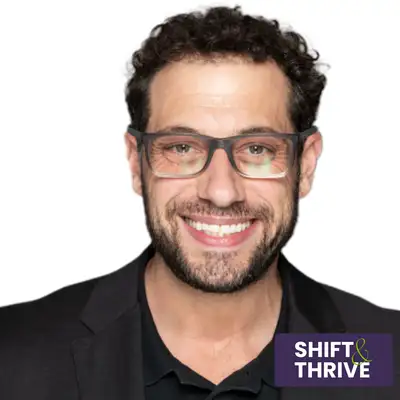
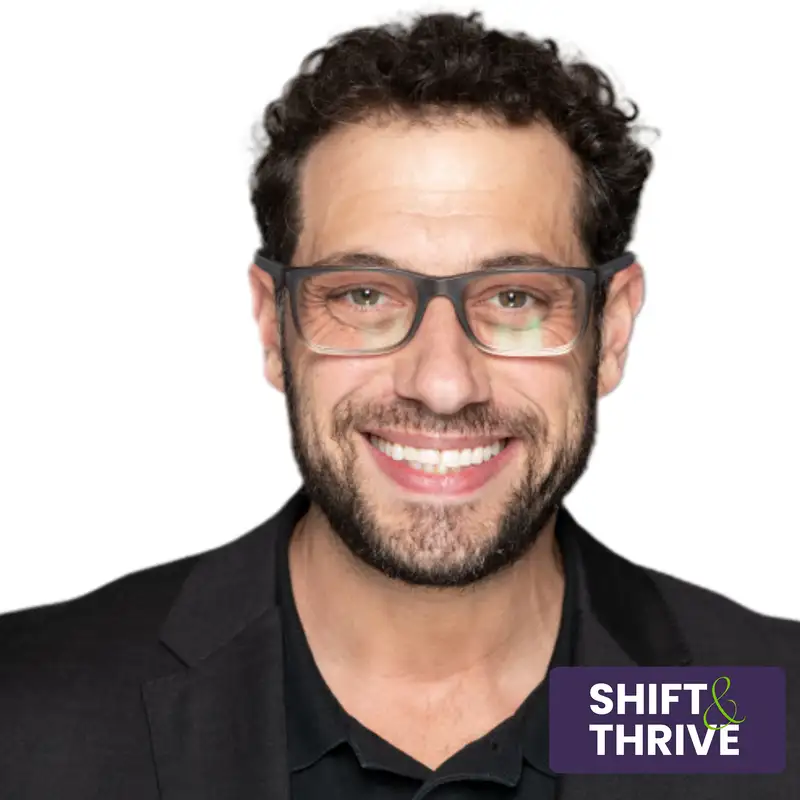
Joseph Monastiero
===
Intro: [00:00:00] In today's business world, change is the only constant, and mastering transformation is the ultimate key to success. Welcome to Shift and Thrive. I'm your host, Natalie Nathanson.
Each week we'll bring you conversations with CEOs who delve into how they successfully drove critical change in their organization. This show is sponsored by Magnitude Consulting, bringing you the thinking power of a growth consult. And the getting it done, power of a full service B2B marketing agency.
Natalie Nathanson (2): I
am very excited
to introduce
today's guest.
He has spent nearly two
decades helping organizations modernize, scale, and grow. And over
the course
of his career, he's held leadership roles at companies including Red Hat, Tata Consulting, and Revogy, progressing up the sales ranks from sales leadership to chief revenue officer before stepping into his first role as CEO.
He
also serves on the board of [00:01:00] Tampa Bay Tech, helping to support one of the country's fastest growing tech communities. Today, he's focused on helping global enterprises harness AI, Internet of Things,
and advanced
software engineering to
accelerate innovation and long-term growth.
He
is the chief executive officer of Hai Co. Joseph Monastero, welcome to the show.
Joseph Monastiero: Thank
you so much,
Natalie. I appreciate it. How are you doing today?
Natalie Nathanson (2): I'm
doing great. Thank you for
asking, and
I'm, uh,
very excited
to dive into today's conversation. And, you know, on the
show we talk a
lot about, uh, transformation and
including, you know, the changes that, changes
that leaders have
to make at various points
in their career, and I know that you're right in the middle of one of those moments- uh, having stepped into the CEO role. So I wanted to,
you know,
talk a little bit and
ask you what's been
the biggest, uh, transformation in you as you stepped into the CEO role
for the
first time?
Joseph Monastiero: Yeah, and you're definitely right. I am just, what are we, 86 days right now? So just shy [00:02:00] of the 90-day mark coming into HiQo. And, uh, previous to this, you know, I was chief revenue officer and then a VP of sales, uh, for a large, uh, software consulting and professional services company. So within both of those, the primary focus was on go-to-market.
Sure, there was budgetary concerns.
We
were trying to make sure we were making budget, exceeding what the expectations were, you know, hitting quotas of the team, not spending too much on tools, you know, going down marketing path, all of that. But the hard line components of month-to-month cash flow, the admi- the administrivia behind tracking each of those components while driving a go-to-market strategy and weighing not just the prioritized components of a single swim lane, but of six or seven swim lanes across the business, that's really been, I think, the most interesting and complex part.
And for me, that, where that's led to transformation is around delegation. I've always been one to roll up my sleeves and dig in my own and want to jump in first, [00:03:00] but this has caused me to have to trust in those that are in the organization, which I do. So it, it's kind of
pushed me down that
self-discovery
path of,
okay, I can take my hands off and let these things go
forward.
GMT20260727-155949_Recording_1280x720: Yeah.
Natalie Nathanson (2): Yeah. Wonderful. I'm curious to ask if there are
any,
um, kind of decisions that you've made,
uh,
as CEO that maybe,
like, the
CRO version of you would not have made? Like
anything from a
different purview now
Joseph Monastiero: Yeah. You know what? It's around marketing.
So there were some different events and things that I wanted to go into the end of this year and the beginning of next to do, but when looking at the cash flow and budgetary components, even if the ROI tracks, it's such a delayed, you know, l- leading versus lagging indicators, right?
It's such a delayed return on that initial investment, I have to pay attention to, you know, where to place those. So rather than, you know, going forward and doing four of the largest, you got Ignite out there, you have GTC, you have, um, Google Next, you have AWS re:Invent. I have to pick one or two of those to go to first, [00:04:00] track that, make sure that the rate, the, uh, return on investment is correct, and
then go to
the next.
So it, it's a little bit more, you know, single-threaded in certain cases that you have to be, whereas a CRO, you take
the team
and you say, "Okay, three of you go over here, two of you go over there, and I'll
go,
you know, across the top as
I can."
Um, so it's, it's definitely more of a bide your time and spend your dollars wisely as opposed to a spend to see the sales come
in.
Natalie Nathanson (2): Mm-hmm. Yeah, right. You have
to advocate for all facets of
the business, and it means, uh, sometimes making, you
know, difficult
choices- ...or,
or the trade-offs.
Joseph Monastiero: Oh,
yeah.
Natalie Nathanson (2): I, uh, I often say when
someone's new in
a role, uh, you only get to be new once, and
that that is, uh,
something that, uh, you wanna take advantage of before you're kinda drinking
the same
internal Kool-Aid or whatnot.
Um,
and I
think it's something
that founders never
really get to do in their own business. So I'm curious if that concept resonates with you, and if there's any ways
that [00:05:00] that's
shown up for you as you've been in these kinda 80, 90 days in the role.
Joseph Monastiero: Yeah, it, it absolutely resonates for me, and you're, you're dead on. I think
that in each organization you go into, that being new
component is really one that allows you to
kind
of sit back and observe what the natural going-ons
are, if you
will, of, of that organization, to see the highs, the lows, and, and where the, the Kool-Aid drinking, if, you know, as you said, exists and where it doesn't.
Um, you know, that for me,
I use it as
a time, my first 90 days in any organization in any new
role, I really use that as a t- time to
understand everyone, their motivations, what's key to their role, what drives them from a family or home perspective, those types of things. Um, but for me personally, what I really see the biggest value in that time is, is, is kind of shifting my perspective to be that of, if I were to s- [00:06:00] drink the Kool-Aid, right, what would my perspective be, and then what does that person before this look at?
So it allows you to play that devil's advocate component. So
I, I jump
into it with both feet, and then always sit behind the scenes and whisper to myself, "Oh, all right, well, what would the CRO version or the VP version of you do, and why?" And kind of weigh those components out. It's almost like you create a, uh,
a little council of yourselves in the different
positions you've held over the
last decade or so.
Natalie Nathanson (2): Yeah, yeah. That's true.
Um,
well actually
speaking of those, uh,
kind of you said council of
yourself, um,
you know,
I think one of the things in kind of the CEO role is you don't have,
uh, you know, everyone's
looking to you, but you don't have someone above you to kind
of help
pressure test your thinking, run things by.
How have you
kind of been navigating
that?
Joseph Monastiero: That, you know what, it's funny, I was reflecting on that this weekend, and
I've always been
one
to
say, "Hey, does that make sense? Is, is this a good way to do it?" Or, you know, "What are your thoughts around this?" And, and get that devil's advocate perspective. I, I've had to truly be that for myself, and it's been a little bit [00:07:00] difficult out of the gate.
When you look and say, "Hey, does this decision make sense to you?" Well, it's your choice. It really causes you to have to pause and, and slow down. And for me, I've always been someone to move at, you know, a million miles an hour. Like, let's go forward, fail fast, fail first, and you'll iterate on the way.
There's a different maturity that comes with this role where you have to sit back. And although
you might
make, you know, massive movement forward and drive for that huge impact, there's a methodical underlayment of what you're doing, why you're doing it, and again, weighing the priorities across all those different swim
lanes.
Natalie Nathanson (2): Yeah. How do you slow yourself
down? Because I know sometimes, like, fighting
against our,
our natural
instinct is easier said than done. Is there anything that has worked well?
Joseph Monastiero: To be honest with you, I, I kinda try to pay a little bit more attention to what the, the senior folks in each of these areas are
thinking.
And I,
and I sit back
and don't speak,
and really take that executive role in terms of let me truly listen more than I [00:08:00] speak.
And listen in all of these meetings, organize my thoughts from each of those individual people, and then give my opinion at the end. Uh, I found that's been one way to, to literally delay my speaking until the end of a meeting. That's stopped me from bulldozing anyone. It's stopped me from making those decisions too brashly or quickly, and really has allowed me to weigh not just all of the competing variables
or needs,
but also the opinions of the individuals that I, again, have hired to do this great work, right?
We hire these smart people to be better than us and to create that smartest room in the, in the industry, as I call it, as opposed to being the smartest person in the room. Um, I, really allows me to a- rely on them, and then delegate that and trust in that delegation. So it kinda goes back
to that beginning delegation piece, which
is the hardest for me.
Natalie Nathanson (2): Yeah. Which I think this starts to get into, uh, kind of your leadership style- ...which I'd love to talk a bit more about.
Uh,
can
you talk a little
bit about
some of
the principles that guide you as a leader?
Joseph Monastiero: Yeah. Uh, radical candor and really
radical candor before
it was a thing was one of them. It's that true [00:09:00] transparency and ability to be candid with your team and, and those that are either on your level, above or below. It's, it's an openness and, and I always have loathed the, "We're a family" at a company.
But i-
if you're, they're all making you money, right? And if you stop doing that you get kicked out. Some families
might be like that.
But for me, it's really
been that
component of the family element is being able to have an argument, a disagreement, a discussion, and leave that conversation potentially frustrated, angry, but knowing that the compromise made, the shift made, or the agreement that you came to was really the best there.
Uh, and I've truly... And I, I always throw like, yeah, you know, you're, you're allowed to say the F you, no F you, and within these four walls of our meetings as a team, you know, you're comfortable within that. And when we walk out, go to our separate corners, I can play the therapist, I can play the cheerleader, the parent, whatever it needs to be, and help move through that.
Uh, that's truly been the core of it. And then from there, it's putting the people first. Those three [00:10:00] pieces together have allowed me to lead with my vulnerabilities rather than my strength, which pushes the team to do the same thing, and really work on those skills that everyone needs to improve. Um, you know, uh, with that, it's allowed me to make connections with individuals, understand their motivations, and then drive them what, either within the business that we're in or to an outside company, but help them improve in their career and as a person.
That, for me, just that piece has, I think, given me fulfillment in every position I've been in, because I'm always trying to help someone work on something better, and has really
set me up with a
great group of people that I have to go from
business
to business or, or company to company or even start businesses with, as I've done in the past and likely will do in the future, right?
Natalie Nathanson (2): Right. I
wanna ask you a little bit about the,
the concept
of radical candor, uh, that you mentioned- ...as
one of,
one of your pillars. Um, because I know it's, it's one thing to want it from
your team,
and it's another to,
uh, kind of m- make the team, I [00:11:00] guess, comfortable enough to, to
...truly share it and to
know that
what you're getting back is actually radical candor and not like a whitewashed version or, or whatnot.
So- ...how do
you,
how
do you
kind of
prove to people that, uh, that the candor is, is safe with you?
Joseph Monastiero: Yeah,
I really think that ties into the vulnerabilities first, uh, mentality that I have with the team. And it's, it's, we all have strengths and weaknesses, and I always hated that question of, you know, what's your biggest weakness? So I turned it into a leadership tenet where I walk in and I share what my weaknesses are, what I'll rely on the team to do, what I will overstep with if I'm talking too much in a meeting or I, you know, overthink or over speak.
GMT20260727-155949_Recording_1280x720: or over speak,
Joseph Monastiero: and we always had this thing
of talking past the sale, right? And we'd use it internally to joke with each other of, "All right, I get it. I get your point. You're talking past the sale. Slow it down." Um, or to do it with, you know, customers, teaching to really listen, understand, and only speak to the point where you get the agreement, the next steps, and travel forward, right?
So that's been my biggest, my [00:12:00] biggest kind of piece is sharing that, look, here's the things that I'm bad at. Here's what I'm gonna need your
help with, and
in turn,
I'm gonna help you with all the things that
you're bad at and that I'm great with
Natalie Nathanson (2): Yeah. I, uh, have
a
a bit of a, hit a similar style in my
own leadership,
and I often think a little bit of, like, self-deprecating humor, uh, can
go a
long way. But right through that it's, like, showing the, uh, the vulnerabilities and- you know, I'm, I'm
human too. We,
you know, just being, being real ......with people
Joseph Monastiero: It's humorous because I'll walk into organizations sometimes and I'll have past colleagues join me or I'll be joining them, and that instant dark humor,
self-deprecation that
we'll do back and forth,
or the
weird power influx of I'll have someone who's three levels below me, I'm
a senior executive,
they're 20 years older than me, and they'll joke around and
give me a
hard time.
It, it really warps people's mind. But once they see it and they understand the culture that's, goes with it, uh, it just
changes
the game. I really, I liken it to a lot of the different consulting organizations that I've been to. [00:13:00] Those internal group of engineers, there's always that core
group
of people that started the business, the nucleus of the company.
They always have that relationship, to be honest with each other, to
go back
and forth, share opinions, have friction, uh, you know, and really drive forward. So I really took that to the sales game, which it normally doesn't exist
Natalie Nathanson (2): joseph, I wanna, uh, shift gears to a different, uh, area and,
uh, we talked a
bit in the past about AI, and I know that's something that you've shared, um, that has helped you kind
of expand
what you're capable of,
uh, kind of doing and
execute- executing as
a leader.
So curious, like,
how are you, how are you using this
as CEO? Like, where are you
finding it, uh, bring the most value?
Joseph Monastiero: That's a really interesting question. So it's really an, a, multimodal
type of thing. So it's down the path of really being, you know, internal to the organization and driving success within the next phases of what we're doing. So a single person now has a force multiplier that they can do [00:14:00] 10 times as much work on their own, both on the sales side, uh, as well as on the marketing side.
And then
completely separately, using it from
an execution standpoint on the delivery side, it, it really creates a, you know, a 5X, uh, of the engineers going in. Now granted, it can't be used acro- across everything. You can't vibe code your way through or create an agentic harness to drive certain things.
But that power of research, the power of the initial two, five, 10 weeks of work that it would take to get
to the beginning point, that's now instantaneous, which completely changes the game.
Natalie Nathanson (2): And what about with the team? What's kind of the relationship between how you're using, uh, these tools personally and whether it's kind of how, you- w- how it was when you stepped into the organization, or, uh, kind of just how you're
navigating this? I mean, personally I'm using them in my everyday life to, you know, help me to drive an understanding of what
Joseph Monastiero: I'm going
into, driving market research, understanding the different pieces of the company and, you know, how they should be [00:15:00] working in, in the top organizations
of,
of the world
and,
and how that kind of tracks back
to me.
A lot of market research, a lot of customer research, a lot of improving myself from a technology standpoint. It's all
in there.
Natalie Nathanson (2): Yeah. And I'm curious to
ask, how
are you, uh, looking at when to, uh, kind of when
to lean
on AI, when
to bring
in an internal expert, an outside expert, kind of in these areas that are not kind of your own kind of core expertise?
Joseph Monastiero: Well, luckily internally at HiQo we have a
ton
of experts in the AI space with, you know, deep mathematical expertise, machine learning, and in AI. And what they've tried to do is really build a instantaneous expertise with- within each of these tools. But that's not to say that they know everything. So in a lot of cases we're going out to some of the larger organizations like Anthropic, like
OpenAI, like Microsoft, and really looking
back and forth within them to share their best practices.
So it's a really a partnerships game, um, they are a collaboration game, and then also [00:16:00] just kind of the main research. Um, so we do internal projects ourselves to hone that skill set, both on the robotics and
the IoT
side, embedded engineering, as well as the AIML and, and kind of new, new age agentic flows as well.
It's kind of interesting across both. But it's like, uh, you kind of have to drink your own champagne, as I like to say, if you're gonna push that forward,
so we really try to implement it internally.
Natalie Nathanson (2): Yeah. Are
there any things in kind of the solution, uh, like to that point, any areas- ...that because
of what the organization does, you've
kind of
operated internally using an,
uh, AI automation differently?
Joseph Monastiero: Yeah. So from a recruiting perspective, it's used there a lot.
So we've
honed our own systems and really shifted them to be much more deterministic in choosing different, um,
potential candidates to come in and looking at large groups
of candidates.
We are very specific in that. Um, we, we hire a very low percentage of folks that we interview because of the high level of quality we look for.
That's been one. Uh, we created our own, [00:17:00] own internal chat bots, and I say bots because we've done different iterations looking at the data piping and how the architecture is set up from a RAG, multi-RAG, graph RAG com- component to really see what works best internally. Um, and then even gone to the standpoint of creating an AI estimator where you could really take, to this
point we've e-
you know, elevated it,
an RFP, run it through the system, and then translate out a true RFP response with the proposal fully baked, ours, the considerations, executive summary, et
cetera. So
those are some of the things that they, they did prior to me being here, which is so exciting. So now that I get to elevate those and work
with the
team, it's, uh, it's
really
cool. But that's given us such an edge, uh, in trying to quote some of these different projects and then really
show the value of it,
'Cause when you can say to a customer, "Hey, I did this myself. Take a look of, of what
we're doing,"
it changes the game for them too
Natalie Nathanson (2): Right, right. Another, uh, form of, of
drinking the Kool-Aid, right?
Showing, uh, practice what you preach.
Joseph Monastiero: Well, when people
build really cool stuff,
it's, it's
easy to [00:18:00] drink the Kool-Aid right there next to
them, right?
Natalie Nathanson (2): Yeah. Yeah. I mean, we always love for any of our kinda
AI initiatives
or innovation
initiatives in
general when we can test on ourselves when it's relevant- uh, and then be able to, to bring it to clients. It's a, it's a win-win.
Joseph Monastiero: No, absolutely.
Natalie Nathanson (2): Uh,
I wanna talk a bit about, uh, the sales side of things. Uh, and, you know, f- drawing on your experience, uh, more broadly, uh, I'm sure you've seen some talented salespeople thrive in some environments and- ...get held back in others.
Um, wanted to just hear from you, you
know,
what do you think the CEO's role is in that, in
organizations and
other areas where, you know, CEOs- ...might misunderstand, uh, you know, how to best support,
you know, the salesperson,
sales team?
GMT20260727-155949_Recording_1280x720: sales team?
Joseph Monastiero: I love this one.
So this is always exciting to me because I feel as though it's a very
variable thing.
There's certain CEOs that need to be go-to-market. I was brought in because of that [00:19:00] background as a CRO, as a VP, EVP, et cetera. They said, "You understand sales and marketing, and understand enough of the operational perspective where you could create, you know, 50, 60 million per year worth of revenue for a
company."
So that's where you're coming in. But prior to that, the now founder, the founder who is now
GMT20260727-155949_Recording_1280x720: CTO,
Joseph Monastiero: COO,
was the CEO for the first period of time, 10
plus years.
He drove such a core
Kind of cultural,
I'll call it, you know, keystone of delivering with excellence, not having ego, everyone collaborating, that that was what was needed.
And if he did not have the technical expertise to speak in that way, to be the mentor and the coach of these people as they were coming up in this organization, I don't think it would be what it is today, or have that level of consistency and delivery and the tenure of customers that they do. So I really
think it
really depends on the stage of the company and what type of organization it is, but at the end of the day, the key [00:20:00] components to know about go-to-market is either you have to have someone that can ebb and flow and be variable with the changes in the market, and doesn't get too stuck with an idea that they see it through to the point of failure in a very major way and can't iterate.
But
someone that doesn't pivot so quickly and panic that they're not able to make calm, calculated, small corrections to a plan so that they're still moving in a forward direction or the same path and continuing that momentum. So it's really, it, I know it's a, it's a small kind of sliver of people that I've seen
be really good at this, but
it's the adaptability, truly, um, the aptitude, um, and then that,
that temper, that temperament of, of staying
even keel.
And, and, uh, one of my mentors used to say, you know, the, even when the seas are rough, the captain is calm, and that was the biggest thing with CROs and, and VPs of sale. To be that calm captain, even when the, the pipeline's gone everywhere, people aren't closing. That's where you can see [00:21:00] it through and see a really good leader
Natalie Nathanson (2): it's a, a small sliver of, uh, CEOs that kinda truly have that naturally. So what would you recommend? Like, how, how should
CEOs lean on
go-to-market leaders to find that sweet spot, so not being
kinda
too, too agile, too much,
uh, ebb and flow- uh, but also, uh, kind of responsive enough to the market, and not losing patience
too quickly, let's say, to
see something through?
Joseph Monastiero: Yeah.
I,
I think it ties back to a lot of what I'm working on right now in the delegation component. If you
bring in a
go-to-market leader, whether it's a CRO,
head of sales, a VP of sales, or even your first AE, if they have experience, they know what they're doing in that space. Teach them your domain, about your organization, about your product, about your technology, your solution, why it's different.
Arm them with that, and then trust them to go execute.
That
would be my biggest thing, because I think one of the, biggest points of friction
with CEOs in go-to-market[00:22:00]
is that the CEO has this vision that might be 10 years into the future. And I even see myself doing this with my head of sales now, it's kind of funny.
My vision's five, seven years out, two years out. I'm trying to think and plan and what I need to stack operationally, organizationally, from a strategic perspective to get
there.
You want that person to be focused on, "How do I get new customers in the door at the lowest cost possible, and where's my next PO
coming from?"
If you can do
that and you have someone focused there while you've given them that domain expertise and those
differentiation elements of your company, that- that's the biggest
win. So that would be my advice there. Have them focus on selling and give them the ammunition they need to go
do it well.
Natalie Nathanson (2): Yeah.
I would say, like, in my side of- of go-to-market, really around marketing strategy and- ...uh, and all of that, um, oftentimes it's the risk of a CEO being too involved or too uninvolved, and it's really about kind of coming in full force at
the right
time- ...as those strategic decisions are [00:23:00] being made, and, uh, kind of taking in all the analysis
and information that's leading to
rec- the recommendations- and then kind of pulling back, but also being ready to make those difficult decisions, uh- ...when there are
different perspectives or, or choices to
be made and,
like with real trade-offs
Joseph Monastiero: Well, right, and
that's the problem is,
like the confirmation bias. Now, do you see that piece happen more with CEO founders or C- you know, early stage
CEOs that
were not found? Like which part do you see that it's the confirmation bias of I know I'm doing it correctly so I'm not gonna to answer someone?
Or, or where do you
see it more, I should say?
Natalie Nathanson (2): Yeah. I would say, you know, founders, uh, and I'm sure I've been
guilty of
this, uh, myself- ... is,
right,
it's the, the business is your baby, and you've done things- a certain way, and so you have to have a certain level of self-awareness and willingness to let go- ...uh, to kind of
put that, those decisions
in other people's hands. But, uh, you
know, to
the point of some of what
you were
talking about earlier, um,
the the business can't grow and
evolve if you're not- putting that trust in, in other [00:24:00] leaders
and saying,
"You know what?
I've, I've spoken
my mind, but, like, the decisions should, should still be theirs."
Natalie Nathanson: Hey, this is Natalie, your Shift and Thrive host. After chatting with lots of CEOs, one thing is crystal clear. Leveling up your company means having a killer Go-to-market strategy. That's what my crew at Magnitude Consulting does every day. If you're trying to step up your marketing game, whether it's strategizing, accelerating your pipeline, expanding into new markets, or getting into AI and automation, let's talk.
No pitch, no pressure. Just good conversation. Visit shift and thrive podcast.com/natalie to schedule a time. Can't wait to connect.
Natalie Nathanson (2): I wanna talk a bit about,
kind of the sales role or function, uh- ...in the world of kinda AI and changing buyer behavior. Um- ...so what
do you,
what do you think is shifting in that landscape?
Joseph Monastiero: So I, I love this question
'cause it's something that's been
really shifting already from, like, a [00:25:00] tectonic plate perspective since, I would say, you know, the late 2000, 2000s,
like 2009, 2010,
um, with the first economic crash. There you saw this pullback of salespeople and a lot of , folks, going primarily remote and then changing that, "Okay, I'm not gonna talk
to a salesperson or call someone
until I've had enough research."
Then as we shifted into, like, the 2015-16 timeframe pre-COVID, it really started going that way with
the power
of the search engines,
how much was out there through, from, you know, the, like the G2, uh,
perspective and, you
know, the crowdsourcing perspective from
information. Finally, with COVID,
where everyone was remote, it really went to a I'm gonna do 90% of my research as a customer and before I say anything to a vendor.
And that was the one of the biggest things I struggled, which, with as a CRO was making that information available enough that people
looked at it,
but not so available
or not so gated that
I, you know, couldn't get them to fill out a form and it was not too many, you know, [00:26:00] uh, you know, needed things or that they, that they didn't, you know, have any interest and got exactly what they needed out of it.
So that was the interesting piece there. Now with AI,
I think two things have happened. One, people rely way too much on the answers that AI gives because it is a probabilistic
element,
right? It, an LLM is not specific. It can
miss the mark, immensely. I
always love the meme that goes around with the
guy asking if the mushroom is poisonous and
he
eats it and he's like, "Oh, I'm sorry.
I, I, I made a mistake. That's not a poisonous mushroom." I mean, you know. But it's, it's that component of there is certainty that is false and there is also a ton of information over there, uh, over available now that is true. So it really empowers the buyers to be very astute with what they're looking for, uh, in one case.
And then the other thing is it makes them assume things. What I've always tried to do now is come into a sales conversation and reset what
the
expectations are of the conversation and what people know.
Always had the customer speak first to begin
with prior, but now it's, "Hey, [00:27:00] what did you learn about us?
Where did you search this from or where did that come in?" Starts to be more of a primary question rather than a, "Oh, great. It went
this way with our marketing material. They came in this channel." now it's
more of a selling question than it is just a how
do we
acquire more customers.
Natalie Nathanson (2): I like
that, uh, that question of,
uh, kind of what
do you already know about us,
kind of
what have you heard- ...because I think it's a very kind of transparent and, uh, healthy way to start
a conversation,
Whether it's
kind of, well, actually here are some
different things
you might not have heard."
Or, you know, if
it's related
to competitors, but you can,
I think, really
learn a ton
Joseph Monastiero: Yeah. The one other really interesting way that it's changed it is from a website, from a marketing, a go-to-market social media perspective, it's now changed from just straight SEO to you're trying to optimize for AI. You're trying
to optimize for what ChatGPT or
Grok or the latest model is pulling from the web.
Um, so the keywords and different elements there, that's a,
from
a marketing... I don't know if you've seen that specifically too and what you're looking at, but that's really shifted from the tech side of what terms am I [00:28:00] using that these AI elements are
gonna pick up.
What's
interesting or almost,
to
be honest with you, it's
kind of like
corporate clickbaity type of things of how am I gonna get these engines to recognize me as, as really the, the prominent person
to pull forward for this.
Natalie Nathanson (2): Yeah.
Yeah.
Well, and I think
the nice thing is, you know, unlike the early SEO days where search engine optimization when, uh, you
know, people
would try these, like, black
hat tactics like
putting white text
on a white screen-
and, you know- ...keyword stuffing and all of that, I think the way, uh, the
kinda
generative engine optimization is, is working is a lot more kind of authentic, right? If you are- ...truly in these conversations, if
you're bringing value, you know, into
the content that you're putting out there, um, those are the
kinds of things that
ultimately are, are helping.
Um, so I find it's kind of the right companies getting rewarded. Now, it is still harder- ...for smaller companies to have the
same kind of, uh,
kind of
visibility and footprint, but that's where it's, ...uh,
putting, putting the right things forth.
Joseph Monastiero: No,
absolutely. No, [00:29:00] I totally agree with you.
It's, it's,
you know, the, the people get rewarded for it that are gonna do it the right way. And, and it's almost like with the use of AI overall, and I see this as a business and as consumers out in the world, I think there's gonna be two swaths of people, like two really, or one major divide, right?
Those that rely on it and use it almost as a crutch
in their day
to rewrite their emails, to, you know, route their day and, you know, optimize everything.
um, and then
those that are gonna use it as
a force multiplier.
For me,
it lets me do 10 times more in a given day, which is good because, you know, being a CEO now there is that much more
that you have
to do.
But it lets me do 10 times more and get to the answers that much faster. And if it's not that I get 100% of the answer, I'm at least directionally correct, and
it
kicks the conversation off midway through.
Um,
rather than having to explain the challenge over and over again to five different groups
of people,
you
can now focus directly on solving whatever that
challenge is.
'Cause there's already, y- you know, there's consensus there, which has been really great. But it's, uh, it's interesting to see that divide exist from a, from a corporate perspective as well, how [00:30:00] organizations are shifting of how they drive their products out, and those that are using it as a hype cycle of, "Oh, I have AI across every product in my portfolio
now.
Natalie Nathanson (2): Yes, for sure. I
have one other question
on
the
the sales side that I, uh, have been curious to ask you. Um, and I think, you know, oftentimes
the CEO might
hear, uh, in some organizations might hear a, a cleaner version of reality than kind of what the sales team
is experiencing
day to day. Um, so what would be your advice around how can a CEO get,
kind of as close to the truth as possible of like what's truly happening?
Joseph Monastiero: Yeah. I honestly get on the ground and sell with your team. I have always done that in all of the positions I've been in, and I've held everything from pipeline development before it was business development when I was just, you know, making 180 calls a day. That was fun. But really driving that all the way up to being that chief revenue officer and now CEO.
At every level through, my boss, if he had jumped down and [00:31:00] made cold calls with me, sent emails, helped
me
hone some type of campaign for outreach or SalesLoft or whatever it might have been, worked on LinkedIn, worked on the go-to-market strategy or
the pitch deck,
that was where I learned the most, and it was where he was really able to drive his forward thinking into my mindset.
So it was kind of like
a coach
mentor moment, it was a collaboration moment, and then it was
not
really like a, a bond, like a professional bonding of "
like, Hey,
here's the direction we both should be headed. Do you now understand it with my hands on it and you
do it the right way?"
So as CEO, it's again sharing that domain expertise.
If you're able to get with your sales team, share your domain expertise, and help them understand why you're in that ivory tower, you know, as they may look at
it, right?
And,
and not doing the grunt work that they see themselves doing in certain cases, that you have this expertise and
this
wealth of knowledge and wisdom that you can impart upon them, then you'll start
to see what
they're missing, where the kinks are, where the weak links are in the chain, and help them fix that.[00:32:00]
And a
lot of the time it comes from the top
down with the CEO for those elements to
be mended,
whether it's issues with delivery, with product, with, you know, customer success or there's marketing challenges, content challenges, whatever it might be.
That's... You don't get that information through the five layers up,
as you said.
There's always a, a, you know, rose-colored glasses on that PowerPoint when it comes out for the board meeting or for that, you know, the senior VPs
meetings.
If you get down in the middle of it, you're gonna really see what's happening day to day, and one, appreciate what those folks are doing, and two, they're gonna appreciate what you're willing to help with and, and
give
Natalie Nathanson (2): Yeah.
I love that all around and, uh, couldn't agree more, so thanks for taking us through that. I want to bring the conversation to the business
that you're leading
today. And as you look at,
you know,
the changes, the kinds of changes that your customers are navigating, uh, can you talk a little bit about, you know, what's, uh, what's playing out in
the space
and how, you know, how do you help them solve that?
Joseph Monastiero: Yeah.
Uh, professional [00:33:00] services and consulting, you know, AI consult, every- in general, it's a really interesting space right now to be in because
there is such a shift
on a week-to-week basis of which chip provider is in the lead, what's the most profitable company on the planet, who's above a t- you know, multiple trillions of dollars now.
Um, so it's really interesting. But
at the end of the day, all of the challenges
are the same that they've been over the last 20 years. It is, how do I take the current technical evolution, the newest products, the newest technologies, sensors, et cetera, and apply that to my business in a way
GMT20260727-155949_Recording_1280x720: that
Joseph Monastiero: alleviate
employees, alleviates risks for my stake or shareholders, and alleviates risks in the business, right?
So
it's the safety of the
workers, the security of the money, and the s- that, that, security of that, or continuity of the business. So now we're looking at it in a way that is what most are consider ma- considering automating the human out
of the loop.
And I hate that because there are so many loops that exist in [00:34:00] all of these industries that AI is touching and, you know, agentic and what will be physical AI in the future and potentially quantum, who knows, in 24 months from now maybe.
But the, the one thing that, that people are missing is it is not about automating the
human out of
the loop
because, oh, of these mundane tasks. It's about automating the mundane tasks out of the organizations. And I think that's the real miss that's happening. It's how do we reduce costs? No. How do you reduce unnecessary effort?
Because then what happens is that human capital becomes the center of the business again, and the last 20 years in tech that have shifted that and moved it from people being less connected, although they're collaborating 10 times more a day, to now being what are the superpowers of the human? What is that reasoning skill, that outside-of-the-box perspective?
Now we can go back in a room and discuss that because all of the research that had to be
done for
three months to get here was done in a
day with a
whole bunch of agentic elements, and now we can a- be the company that we should be. So that's really I think the major challenge that [00:35:00] people are seeing now is
how do I
go into that transformation, leverage what I already have today, shore up what was missing from
the last
tech,
tech evolution that seems like it was, you know, a week ago, um, and go into the future and protect my people.
So pushing money back into the business to basically
grow it
through the, the f- people that are there again, rather than through trimming overhead and costs and things like that
Natalie Nathanson (2): Yeah. I like your, how
you articulated that and that shift, uh, around kind
of the reducing unnecessary
effort rather than just reducing costs, because I think it really does focus in the right place and, uh, kind
of keeps the, the
appreciation on all the work that kind of employees- ...and teams are, are doing within an organization.
Joseph Monastiero: Yeah, and it's interesting too. It's... One of the other components that, that's a, a difficulty now is that thought process around how
AI can be used
to drive an increase of revenue or a cha- a shift in, like, demographic and opening an aperture of products, things like that. It's been [00:36:00] primarily h-
how do we run a pilot around
reducing costs here or there?
How do we remove this or that? Um, now in the last three or four months, I've seen it start to shift toward the solving the next generation of revenue problem. But, um, but that's, that's, I would say the, the people component of really pushing that forward and then the how am I gaining more revenue utilizing AI rather than spending, you
know, 25
times the amount that I thought I was going to in tokens.
Uh, that's, that's the big side bet
Natalie Nathanson (2): Yes. A lot of unintended, uh, consequences of, uh, surfacing in the market lately.
We've talked a
lot about, uh, you
know, your, your leadership and, and,
uh, perspectives that
you have. I'd love
to learn a little bit more about you personally.
Um, so tell
me a little bit about kinda how you were as a child and, uh, any early signals of kind
of the,
the professional
you would become.
Joseph Monastiero: Yeah, I don't... I mean, I was arguing with adults at seven years old about things that I had no idea about, so maybe that was some of it of the I was gonna go into sales. I remember hearing this story. They go, "You know, we had lawyers
that lived
across the street, and you [00:37:00] loved to tell them they were lo- wrong about the law."
I was, I was seven. Like, "Yeah, that's interesting." That was probably a little bit of
the
tell. But no, honestly, I was more focused on the biology side of things, and I was, you know, pre-med in college. I was going toward, um, being a plastic surgeon to do microsurgery, so hands, face, you know, deformities, accidents, things like that was gonna be my focus.
I, I love solving complex challenges, and to me that was, that was really a
big one.
Uh, master's in bioinformatics, kind of went down that path for a little while, so I learned some coding. I honestly had no idea that I would jump into this world, but I'll tell you the one thing that, that kind of always rang true through my childhood and in is my father
was always in,
uh, technology and in sales and in that space.
And I remember sitting in his office, and no matter what company he was working for, you know, he was in caps logistics and Bon Aurum back in the day and, you know, SSA and for those types of things.
But
he always would keep people at the
core of
what he was doing. So it didn't
matter [00:38:00] if he
was managing five people at a startup or he was running a two and a half billion dollar portion of an organization with 1,500 people who
were under him. It was
always how do you get your people paid correctly?
How do you get them treated correctly? And how do you keep compassion in that space? So I always noticed that, which
it's
very juxtaposed to the traditional sales,
you know,
space.
I remember hearing stories of people throwing laptops across the room and yelling and swear- and that's kind of what it was.
Well, that compassion element mixed with the radical candor component that I always watched him have is where I saw that kind of magic happen of he
was able to take a team of people
who were making, you know, sub $100,000 a year back at that time, all of
them made over a million dollars a year selling technology.
And not only that, they did it three,
four, or five times over at different organizations together. So that kind of told me, "Ooh, I like this camaraderie piece with sales. It's kind of cool." And when I got into that space and quickly elevated into the leadership roles, I took that with me. So that was a big component [00:39:00] of, you know, sitting in his office listening to that mixed with the technical components of the biology and the bioinformatics.
Those two things kind of merged together to give me an understanding about how to manage beneath me and or below me, and h- make
sure that
all of those folks that are working for or with me feel as though that we're peers and they're getting what they need. But then also to manage up to make sure that I was giving the folks above me the right information, shielding the folks below me from the wrong, you know, bad, bad motivation or negative motivation, things like that.
Um, so that was... I'd say those are kind of the big components there that, that drove that, and I got to spend a lot of time with those different companies and a lot of salespeople, so it was fun to, to see the appreciation when they felt like they were seen for the effort they were
giving as opposed to just as
you did or didn't hit your number
as a binary.
Natalie Nathanson (2): I love all those lessons that you, that you got
from your dad. Are
there any specific kind of stories that, that come to mind?
Joseph Monastiero: Oh, man. There's
a
whole... I mean, there's a whole bunch of them. Uh, I [00:40:00] think one of the biggest ones, so he was, he was ear- a- and this is interesting, 'cause it's, it's kind of like a, a, a life realization moment of the things that matter are, are, uh, are big. And it's... This is back
in kinda 2001, like
the, the whole kind of 9/11 thing happened.
He was, uh, an early entrepreneur, or he's an entrepreneur, and he was an early kind of startup person at a large company that was about to go public. He'd had a falling out with the leaders there, and had a little bit of an ego on him at the time.
He was younger.
So he was home, and the stock came out, and it was worth some exorbitant amount of
tens of millions of dollars on paper. And I
watched him sit there, and he was, you know, upset about it and worried about it and that type
of
thing, but it didn't last long. And then ultimately, a couple of weeks later, uh, that tragedy
had existed, but
he should have been traveling on those planes. He was always on that route back and forth. So it was kind of that moment of him sitting back and saying, "See, look, this is why I am the way that I am.
The business matters, the money matters, all of this, but if [00:41:00] you move outside of that humanity, that compassion component, and you just focus on the business side like
it's a spreadsheet,
things
get missed.
You end up doing things you shouldn't. And then events like this happen, and you're like, 'Oh, if I only would have.
I wish I could have done that.'" And, and it's... You know, that was, that was a big piece there that, that taught me a lot about keeping that compassion and humanity in play, especially when a major accident like that happens, and then, um, you know, you have, you have people scrambling to be okay afterwards. And, and through that period afterwards for the other organizations, he was always that person people would come to to be the leader, the mentor,
and,
and guide them through whatever was, was there.
So it kinda just taught me that piece of standing in front of people, it requires you to be a lot of different or wear a lot of different hats. You know, cheerleader, a coach, a mentor, a, you know, a guide, a therapist, a friend, those types of things. And, and, uh, and that story, it told me all of those things all at once and, and how to kind of
shift and be those.
Natalie Nathanson (2): I love that. And
it's [00:42:00] a great segue into my last question, which I like to ask every guest, and that is what is the best piece of advice that you've been given that shapes you today?
Joseph Monastiero: There's so many. But I would say the core is to be your genuine self. It, it, you know, it might take a minute to get there. You might have to get comfortable with the people around you before you have that vulnerability. But if you don't lead with that it early on, if you
don't show people who you actually are,
you never give them
the ability to recognize
your potential and then drive that forward with you.
It's always this unknown, this kind of unspoken thing behind the scenes that, that nobody sp- knows, right?
Natalie Nathanson (2): That is great advice, and a wonderful place to close, so thank you for that. And if, uh, listeners wanna get in touch, what's the best way to reach you?
Joseph Monastiero: You can get me at joseph.monastero@hiko-solutions.com, but that's super complicated. So if you just look me up on LinkedIn, it's, uh, linkedin.com/jmonastero1, or just Joseph Monastero on
there, and you
can find me
very quickly.
Thank you so much, uh, Natalie, for having me today. [00:43:00] I really appreciate the conversation and, uh, I do talk a
lot,
so
I, I appreciate you listening to me ramble a little bit about some cool things and, uh, and taking the highlights out of
it.
Natalie Nathanson (2): Yeah. I've- I've loved it,
and, and thank you. And, uh, I
love so much
of what
you shared and hearing about
the shift into
the CEO role and,
you know, what different
lenses that brought, uh, your approach
to not, uh,
needing to
have every
answer, right?
But building a, a strong team, and trying
Joseph Monastiero: That's definitely a hard thing, too. I,
I love having every answer, and
it's definitely not
something you can do in this role
Natalie Nathanson (2): So
that's a, a muscle worth building as well,
so thank you so much for that, and
thank you
also to everybody that's listening, and
if today's conversation
sparked something for you, please pass it along to another leader, because
we know
that insights and stories like this fuel fresh thinking and help us drive real transformation in both our companies and in ourselves.
So thanks again, Joseph,
and this
has been another amazing conversation on Shift & Thrive. I'll see you all next time.
Outro: That's a wrap for this week's episode. For show [00:44:00] notes and more visit Shift and thrive podcast.com. A special thank you to our sponsor, magnitude Consulting, bringing you the thinking power of a growth consultancy and the getting it done Power of a full service marketing agency to help B2B companies fuel their growth.
For more information on magnitude and to get your complimentary transformation readiness assessment, visit magnitude consulting.com/. Get ready. Thank you so much for listening. We'll see you next week.
Creators and Guests