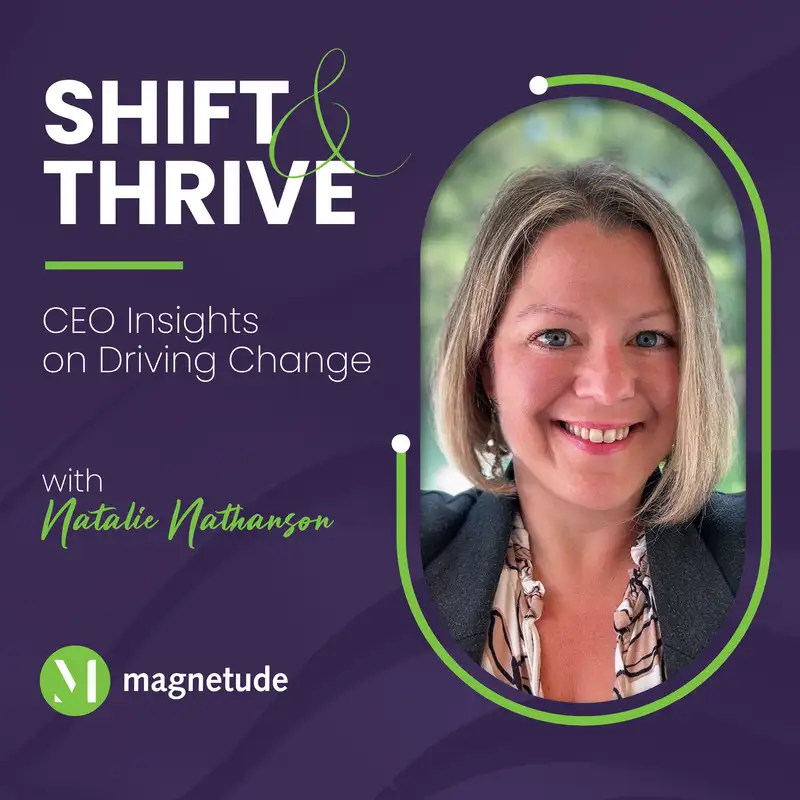
Building a Change-Ready Organization - Elizabeth Harz - Shift & Thrive - Episode # 073
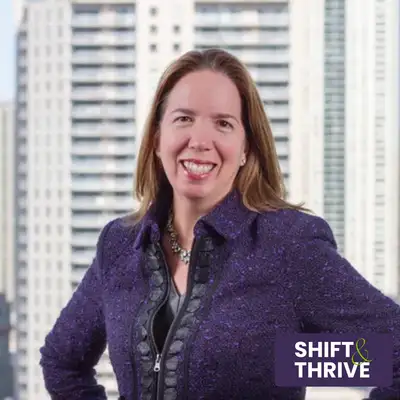
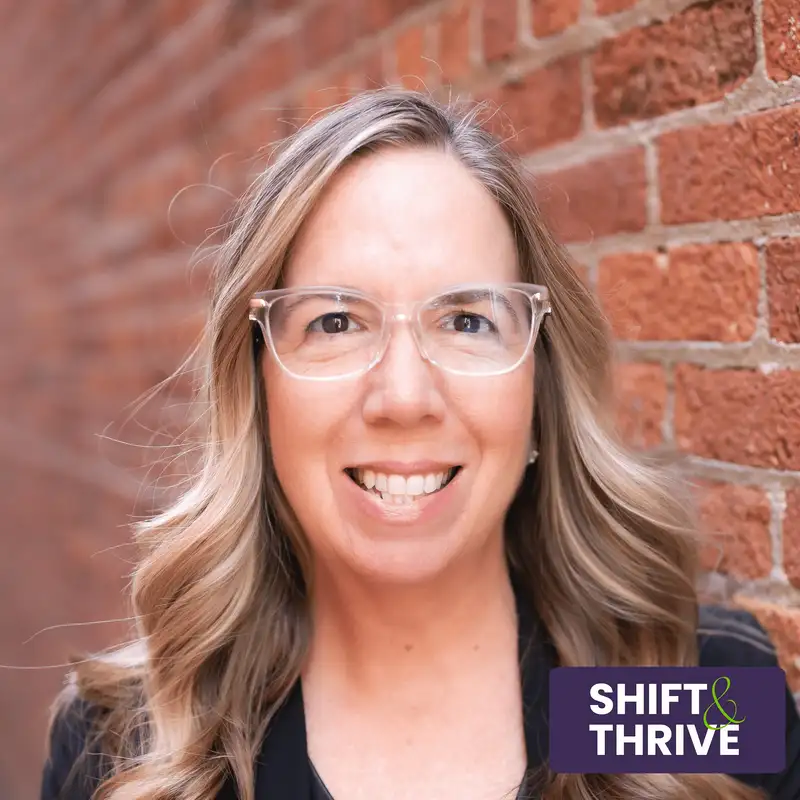
Natalie Nathanson: today's guest is a highly accomplished CEO with deep roots across enterprise technology and data intelligence. She's a leader whose career has been defined through leading organizations through waves of disruption from the early days of digital media to today's AI driven technology landscape.
Her career spans leadership roles at companies including electronic arts, Yahoo, ZDNet, and sittercity, known for thriving in Times of Change. She brings a transformation first lens across industries now applying it to an insider risk management and user activity monitoring platform that helps organizations leverage AI powered behavioral intelligence to minimize risk and maximize productivity.
She is the CEO of veto. Elizabeth Harz, welcome to the show.
Elizabeth Harz: Thank you, Natalie. So good to see you.
Natalie Nathanson: You as well, and I'm very much looking forward to the conversation today. And I know you've, you know, led organizations, uh, across a range of industries, um, and have shared that navigating change is something that you genuinely enjoy. So I'd love to, you know, start by, uh, asking you if there's kinda a top strategy or mindset from all of your experiences that's really, um, you know, helped you lead through major changes.
Elizabeth Harz: I think
just
accepting
that change is
the only constant is probably really important. And realizing that early in your career, early in your life right, is, is very helpful. Um, I also would say.
I regard leadership as a skill and a discipline, um, just like I
regard
product development or
sales
success or financial management as a discipline.
And I think having
respect
for leadership as a job and a responsibility as a, as a area
of expertise that one needs
to constantly be
learning
about and um, and thinking about is, is really important because there are certainly leaders who don't think about that, right? They kinda shoot from the hip or they just,
they are who they are.
And, um, I take the
responsibility of leadership very seriously. And I think making it a discipline
and something I spend time on and, and think about a lot is,
is important.
Um.
I would also say, you know, being a lifelong learner, which is
obviously very tied to that
and something people talk about a
lot, but it's super important because as change is always happening, the
only way to lead through that and exist through that and not get crushed
by that is, you know, to constantly be learning and find it interesting, um,
and, and
exciting instead of, um, you know, too, too scary or, um, intimidating.
Um, and the
last thing I would mention is just
the importance of a network. Um, I forget that
book
I read kind of early
in my career, but it's called like Digging Your Well Before You Are Thirsty or something. I don't know if you recall that
book. Um,
but I,
I thought I read that quite early
in my
career and, and, um.
And thought that was really interesting, just how important
a network
is and that it's
also a source
of just
really great lifelong career long relationships and, and all that. But
thinking about your network
and constantly trying to stay
in touch
and trying to add
value
to people without any
expectation of return, but that in a career, how important
a network was.
Um, I kind of close this section by saying when I started out,
people still
did stay at
a company for, you know, 20 or
30 years. Not that people don't still,
but it was much more common than,
than it is
now. Um, and I found that book
quite interesting saying, you know,
20 years from now, like
people won't be
at the same company for. 20 or 30, 30 years as the
norm. And so thinking of like building your career as um, this continuous story you're building
or, you know, trajectory
you're building, instead of
just thinking about what am I doing at IBM or what am I doing at ge, you know, and how do I get to the next level there? So I thought those was, those were two
very
interesting lessons young.
Natalie Nathanson: Yeah. Yeah, I think that's very interesting. And I wanna go back to a couple things that, that you said here. We'll talk, we'll talk about the kinda the network, uh, a bit, uh, more as well because I do think, you know, in, in times of change, like we're living through right now, um, you know, ideas can come from within the organization, but they also come from that interaction with kind of peers and right people that you might have
worked with
years before.
Remember when we kinda went through that transformation and kind of talking about, you know, what, what came from that, that we can look at through, through a new lens
in current
time. So I know for me, that's, uh, a place where I get a ton of
value.
Elizabeth Harz: Yeah. And I also, um, there's
more senior you
get,
um, the,
the thornier the issues are that you come, um, across and frankly, you can't just Google it or buy a book about it. Right? Um, the first time I came across.
financial
fraud, right. Uh,
I didn't come from finance. It
definitely smelled fishy
to me, but I was no expert, you know, called a,
a former
CFOI had
worked with that I had a tremendous amount of respect for, and he was like, you need to hire
a forensic accountant. I was like, what's a forensic accountant?
You know, there's just things you don't, you don't
know until, until you get there and you gotta
figure it out fast. Um,
and, uh, your network can be of, of significant help in those, in those
times as well.
Natalie Nathanson: Yeah, for
sure. And I also wanna ask, you know, you were talking about, uh, kind of being a lifelong learner, uh, which I, uh, share that with you, and I think a lot of, uh, kinda leaders and entrepreneurs, uh, do, because
it's both a, a luxury and a responsibility in my
view to, uh, to, you know, bring those into the organization and to develop our own skill sets.
And I'm curious, what's been most helpful to you? Uh, kinda how do you do that? What do
you do to kind of learn
new things, pay attention to kinda how you're showing up, that sort of thing.
Elizabeth Harz: Yeah, I mean
I think it
goes hand in hand with the personal attraction. I have to change. Um, and so
I just try to talk to
innovative
people
on a regular
basis, read a lot regularly,
um,
and. I've had the luxury of working in lots
of different verticals from
advertising and media
to ed tech to
um, gaming, um,
now cybersecurity, just lots of different industries. And so the opportunity when topics start to bubble, you know, whether that's
generative AI
or um, uh,
quantum computing or, or whatever, the opportunity
to talk
to people
in lots of different
industries and pick their
brains a
bit about how
they
think about
these
opportunities and what worries them, um, and how
they're staying.
Uh, up
to date is super
interesting to me. Um, there's also obviously always great conferences. Um. Back to the network thing. I
have my
informal network, but I also participate in a couple
of, like,
I call them
CEO support groups. Um, but having those formalized groups where you are meeting on a regular basis
and interacting with people about some of the most cutting
edge topics or, um, most salient,
uh, business dynamics
going on,
whether
that's tariffs or,
um, geopolitical issues or, or whatever.
Being able
to have,
uh, honest conversations with people, dealing with those same issues in,
you know, different industries at a similar level is
incredibly helpful. But
I think
you can
do that at any level,
right? You can create these
groups, whether they're informal networks or you
can join these formal
networks.
Both
are
incredibly. I think.
Natalie Nathanson: Yeah, I mean, I, I definitely agree. I, uh, for myself, I'm a member of Entrepreneurs Organization and have kind of a group of, uh, kind of eight other CEOs and, uh, business owners. And I think the benefit in something like that is you have like the longevity of the relationship, the depth, getting to know folks.
Both personally and professionally. Um, and then my, my second, uh, one is an agency owner group that's a little bit more informal, you know, in some cases a bit competitive, but also just, uh, much more about sharing, uh, based on what's happening and what's changing in our industry. And that can be
as strategic insights. It
can be kinda more operational or tactical tips. So I know for myself, like those two different, uh, kinda groups, uh, combined are what bring me kind of the, the value and support that I need in that regard outside of obviously the team internally.
Elizabeth Harz: yeah, definitely. I think both of those,
um.
When you're
in a certain role, you can always
think of that role from different
lenses.
And so being involved with
groups from the different lenses is very helpful. And then you can triangulate all of that into your point of view. Um, I also, you know, like I'll go to,
you know, you get those emails
or your investors
are running a thing for
like the marketing team of their port codes. Like I'll
go to those on occasion. I'll
be the only CEO there, you know, it's a bunch of VPs of marketing or something. And that understanding that never wanna get so far from things that you don't understand what's going on in the,
on the ground. Right.
Because innovation is happening
closer
to operating than,
than further away.
Right. And just being willing to. Show up and take
a class or
listen
to, uh, you know, a presentation or a TED talk or whatever. Uh, and just that realization that you can learn from everybody. I learn, you know, I have
a daughter in college and she'll talk about
something and I'll start researching
that. And you can learn from all over the place.
Right. But you have to be open to that
and then you have to make time for it. 'cause it's time consuming.
Natalie Nathanson: Yeah. Yeah. And figuring out what works for you. Right. I'm a big, uh, kinda audio listener, which
is
why I love podcasts, uh, so much. Um, but to your point, there's uh, no shortage of information out there. It's really kind of finding kind of the sources that are helpful to you and, and, uh, all of that. And then how do you kind of internalize that knowledge and then be able to apply it?
Elizabeth Harz: Yeah. And I think it
goes back to taking.
Taking your craft very seriously.
I started in sales,
um, and I sort of
begrudgingly
ended up in
sales.
Um, you know,
uh, it was
sort of an in InBetween college and law school kind of thing. I never
ended up going
to law school, which I
could tell that story
later. But,
um, that was sort of what I thought I was going to do.
And so sales
was just a little bit of
a, a
fun experiment, money making assignment in
my mind for a short
period of time. And, um, I
sort of was
like a little embarrassed about
it, you know, that I had gone into
sales or something and very
early
in my sales career, I mean, I was super lucky
to work at Ziff Davis, which was, uh, this technology, uh,
powerhouse. We
published magazines that
covered the technology revolution that was
happening, especially the personal computer revolution that was happening at that
time.
I
really
sound like
a D dinosaur,
but, you know, magazines like PC Magazine and, and PC Week and um,
and magazines like that.
So
that's a whole amazing start to my career.
You know, the
opportunity to meet people like Michael Dell
and,
and Bill
Gates and, and others. 'cause they all came
to the,
the church of, of Zip Davis.
Um, but early in that the, um, because Z Davis was so focused on sales as a, as a, um, career and as a expertise and their, um,
how, how seriously they took training
and development
and how seriously they took sales as a craft.
It really struck me, you know, you don't have to be a surgeon
to
have a lot of respect for your craft and be constantly, you
know, investing in that.
Um, and, and,
uh, so that was.
That made quite
an impression on me, and I think no matter what I've done since then, I've always thought about how do I really respect this craft that I'm in and, um,
and improve
at it.
Natalie Nathanson: I love that. I think that's a really, uh, great way to think about it and wanted to ask you about, uh, your love of change. It's a bit around the personal side, like where do you think that comes from in you?
Elizabeth Harz: Yeah. Um,
I
am the youngest
of seven kids, um, like
a big,
uh, crazy
Irish Catholic family. Um, and, uh, you know,
I'm the youngest
by far,
so when
I was
four, you know, my eldest sister was 18, um, and all of my siblings, I'm definitely the dumbest of
the, the lot, you know, just like really
bright, interesting people who
led.
Super interesting lives, a lot of global travel
and interesting careers. And so
I think first and foremost, being part of a big family, like
you have to, um, or, you know, it's easy for you to experience a lot of change and witness that and become very adaptable. And you're seeing a lot of life
up close and personal as the youngest, like very early
from college and
advanced degrees and marriages and divorces
and addiction and, you know, weddings
and whatever.
Like, it's just a lot of,
um,
people, if you have one sibling or something, you're not necessarily seeing all
that so
young and, and, and so many different things. So, um, I honestly think
my
birth order factor and being, you know, part of a, a large family. Um,
made me just look at
change as tremendous excitement and opportunity, um,
versus, uh, you know,
frightening or, or negative.
Natalie Nathanson: Yeah.
Yeah, that's interesting. Where kind of that comes from. As you were talking, I
was
thinking about my own childhood. I have one sister, she's six years younger, and so, uh, I think I had to entertain myself a lot, right? Don't, don't have like another sibling around the same
age, Um, to, to play
with. I think for me, the love
of change
comes from, uh, uh, disdain for boredom, right?
And so always kind of searching kind of something new, getting
turned on
by new ideas, learning new things, and you never know, like what new kind of insight or nugget or, uh,
discipline,
uh, kind of sends you down kind of a really exciting rabbit hole of new, new learning and thinking.
Elizabeth Harz: Exactly. Exactly. I had a
lot of different experiences being, you know,
thrust upon
me.
Um, my parents were also big, um, fans of travel. Um,
I
always say I'm kind of scarred from some of the cross country trips we all took in a station wagon or something. But even those, right, you're just
exposed to so many different
experiences and foods and
people.
Um, and I think it just really
got me very interested in living life
to the fullest and experiencing
lots of of different things.
Natalie Nathanson: Yeah. Yeah. I'd love to, um, you know, take a, a bit of a shift in the conversation around change and I know
Elizabeth Harz: Yeah.
Natalie Nathanson: a lot
of the transformations
that you've
led or one of those combined experiences you've created, uh, a playbook, uh, for yourself around kinda how you approached transformation. Can you talk a little bit about kind of, I guess like how did you develop that and then I would love to, you know, dive into some of the core components of that.
Elizabeth Harz: um, earlier in my
career, the change management that I did, um,
was
kind of came out of my natural interest in new things and harnessing
new technology.
Um, but as my career
progressed, I realized it is very
helpful to have a
bit of a
management system for change. And to think about it
a little bit more critically,
I think of it, as,
as kind of the marriage of the stages of change, um, right. And
having respect
for the
fact
that, um, and, and just stepping back
a moment,
I, I genuinely believe
that most people are interested in change.
It's just how they experience change. Because I mean, there isn't a person living their life that
isn't constantly dealing with change, whether that's aging or getting
married, or get
having
a child or getting divorced, changing
jobs. You know,
life
is about
change. So.
Lots of people say people don't like change.
I don't know
where that comes from or if
that's really very true. I
think
people
enjoy change. They would
be pretty
bored, um,
their
entire life. Not, not changing, but it's how they experience that change, right? Is the change negative? Is it forced on them or do they, are they part of that
change and do they have their
own advocacy in that
change?
So, um,
I do think like the vision element and being able to articulate
that you're going to a better place.
There's a mountaintop,
you know, that we're headed
to
and why that's better than
you know,
where we are today.
Sometimes it's urgency and has to happen, right?
Um,
the platform's on fire or
you know,
the company's losing money or whatever those things. But sometimes it's a really successful organization. But in order to sustain that success, pretty significant change is, is needed.
Um. Then, you know, communicating and,
um, enabling participation throughout
the whole organization.
Um, really important and
I think really critical to acknowledge that not everyone will come with you. Right. And
that that's okay. Also, and
being candid, allowing,
enabling employees to be candid about, Hey, this is
just, I'm too tired for
this, right? I grew this
business from zero to 250 million. Like, I just, I need to go do something
different.
Um, but
creating like psychological safety and letting people get to those conclusions or
helping them arrive at those conclusions and, and doing it quickly and
being able to move forward. Um, so
there's like a whole piece around that. But a lot of those steps I
just talked about are in the, you know, John
Kotter change management,
uh, model. And then
there are a lot of practical, you
know, tools
to use along the way also. 'cause
you can
have these theoretical models, but what, what are some of the practical things you
can do
to,
to make that
all happen? Right? Because you need communication. So are you gonna do a
global all hands every other day?
Are you gonna do that once a month,
right? Like, are you gonna write emails every Friday before the end of the week and kind of reflect on what's happened and how you've moved the bar or not? Are you gonna use KPIs? Are you
gonna use oks? Like what's your goal setting system? So there's a
bunch of
tactics to
um,
sort of translate models of change into,
you know, digestible pieces that people can
deal
with and help you on.
Um, so I, you know, I just have a
lot of. Tactical tools to, to help with that.
Natalie Nathanson: Yeah. One area that I've been thinking about. Recently is, um, right need to, in kind of a major change, you need to kinda bring your organization kind of along for the ride and there's kind of an ongoing, uh, kind of element of kinda what that looks like as the organization is evolving. Some people kind of naturally kind of change faster or more easily than others or kind of embrace the change.
Um, and I feel like especially in today's world where things do feel like they're moving fast, have you been in situations where if not everyone is, uh, kind
of
coming along for that change or they might be falling a bit behind and um, and what do you do to kind of help them, uh, kind of meet the rest of the organization where they need to be?
Elizabeth Harz: Yeah, I mean, um,
you know one of
my firm beliefs about. Successful change is, a lot
of the answers actually lie in the organization.
Perhaps it's been
my
unique experience, but I
doubt it. I just feel like, you know, if you show up inheriting an organization that needs to change for
X reason,
you know, if
you go and
talk to people in the organization at all levels, they generally know that
this
change
has to happen
and they generally have
the answers about how
to get it done.
Um, so I just
believe if you, you
know, get out early, talk
to the organization, um, number one, you're obviously enlisting people and
they're feeling
part of the solution
and not that this change is being.
Sort of handed
down, especially, you know, God
forbid from somebody who's brand new, who doesn't understand potentially the
vertical or the
competitive dynamics or the, you
know, client issues.
You can, you can name all reasons, uh, or all the dynamics they
may be
unaware of.
So that is, um, incredibly
helpful. And in my
experience,
people will self-identify,
um, that they are not
on board for the change.
Um, you know, like I said,
either been there too long, they're just a bit burnt out by the whole thing
and they, they need a change,
but like a bigger change, you
know, a
new challenge, a different, um,
a different company,
a different set of
people.
Um,
um, and then,
you know, there are the,
um, folks
who are super. Excited
about the change and they jump, you
know, right on the boat. And then there's kind of the folks in the
middle that,
um, have their
doubts for whatever reason. Maybe,
you know, you're
new
or they've seen this movie a
couple times and it hasn't worked out.
Um, and
so rightfully so, that group of people needs,
you know, some proof
cauter and a lot of the models talk about having some quick wins
and demonstrating that this direction of change is, is correct, um, and that it will yield immediate
success or, you know, quite tangible and, and close success. Um,
and then you
tend
to see people. Opening up
a bit, coming on board, a
bit more aggressively being part of
the effort. Hey, you know,
if we had done this,
we probably
could have done this better. And instead of as a leader saying, why
didn't
you tell me that? Right? Just like, thank you
so much. That's so helpful. Would
you come to
this meeting tomorrow where we're talking about
X?
Um, and
you see those people
kind of slowly
opening up and, and being some of the best
contributors because they're naturally a little bit, um, uh, what's the word I'm looking for? Skeptical.
Um, and a little bit slower to open up, but they're often
the
greatest idea
powerhouses and have thought about things, you know, very
thoroughly and can be huge agents of change.
Natalie Nathanson: Yeah, the naysayers can be the best champions because there's, they're thinking about things critically in a way that maybe not everybody is.
Elizabeth Harz: And when they're on board, a
lot of other
people will
really get on board, right? If, oh, if
Steven really thinks this, if, you know,
Natalie really thinks this is, this
effort is worth our effort
that this leader is worth betting on,
despite that being a revolving
door for, for five
years or whatever, like, they can often be very, very big touchstones for the organization.
Natalie Nathanson: I'm curious to ask you. You know, I think maybe, you know, five years ago or so, I tended to think from, you know, all my experiences in transformations, whether kinda internal roles or a lot of our clients are going through major change that were kind of helping them navigate. But I
always
thought of it a bit more of a kind of finite start and end to a transformation.
And then of course there's continuous improvement and you know, recalibrating and all of that. It feels to me like the times that we're living in right now. There's so much changing that there almost, uh, won't be an end to the transformation because we're kind of operating against a moving target of kind of the landscape around us changing.
I'm curious, like if you feel that and then if you agree and if so, kind of how does that plug in either with any of the change management, uh, kind of
disciplines
or frameworks that you know, or just kinda how do you think about that?
Elizabeth Harz: Yeah, at the
risk of. Sounding like an idiot downplaying ai, which I will never do.
um,
I, I do think it's
important to reflect that lives are all about change.
Centuries are all about change. History is all about
change, right? If we could live the
last 5,000 years
over in one hour conversation or something, right? It's, there's a lot there.
And so, um,
the industrial revolution, like fairly
significant, um, series of,
of
events, the world and,
and humanity quite different.
You know, post-industrial revolution. Versus
prior. So, um, I think
having some historical context about the moment that we're in is really
important. And I, again, am
not at all downplaying the, significant era that we are
in,
just really
with
the advent of, of, um, artificial intelligence. Um, I would also say, you know, I think
the, the notion that change ends is, is just a misnomer, right? And, and that all these things we are talking about with regards to
change and change management
is
frankly about getting comfortable as a
leader and getting your
organization comfortable with the terrible ambiguity
between receptiveness
to change and some endpoint that.
you
don't ever really reach.
Right? Um, there, there are certainly with
certain
projects, like we are going to change this pricing
model or we are
going
to change
this org structure. There is a beginning, middle, and end. But a lot of what we're talking about now and especially, um,
with, with the dynamics of
AI and it's rapid evolution,
um, I think people have to get
very comfortable with that ambiguity.
Um, which is that middle stage.
Natalie Nathanson: Yeah, I think it goes back to something you said earlier, right? Life is all about change and you can see that
easily in like
each of our lives, but organizations as he's kind of living ever evolving entities, right? And that's kind of a different lens that makes that, uh, you know, make a lot of sense.
Elizabeth Harz: Exactly. Um, exactly.
And.
Natalie Nathanson: So I'd love to maybe dive into a transformation that you led through. Maybe let's start with one earlier in your career, is there something that
stands out that,
you know you really learned something from that experience that you could take us through?
Elizabeth Harz: I think a lot
about, uh, EA electronic arts, the, the gaming company. Um, I was hired,
uh, to help the
company transition from.
and this is how the CEO explained it during the recruiting process, and I found it
so odd. Um, but really from like a
CPG company to a D two C
company now,
you would never really,
and I think on the outside
and especially gamers, you know, wouldn't really think about EA
as a, as a CPG, right?
But
in
reality, they built this product, they pressed it onto a disc
and
they sold that disc to Walmart or GameStop or whatever, and then the game team like
took a month off, went to Hawaii, they
came back and they built the next
Madden for the next year.
Um,
but the
relationships with Madden really existed more
through
Microsoft or
Sony or the platforms with
which
consumers or gamers, you know, were engaging with that, with that product.
Um,
and so, you
know, this was in the early two thousands and,
um,
so
obviously the entire industry, just like
the music industry
and other things, like we're going through this massive transformation of
digital delivery of games direct
to gamers,
you know, streaming
platforms. And this is, again, I, I sound really old,
but.
Just like through that interview process, understanding the language that the company was using
was so
interesting to me because I
had come, I had spent 10 years in digital at that
point, you know, 'cause I was very involved at
the
beginning of, of, uh,
commercial commercialization of the internet
also sound
a hundred.
Um, but, uh,
so I went to EA and my role was to
help.
figure out monetization, new monetization models, right? Because if you were
moving these games from press discs onto digital, direct delivery, you weren't necessarily selling a game for, you know, $60 in a retail store. So
how might we, you know, monetize this ip,
this, uh.
This product in new ways.
And,
uh, as you may,
you know, suspect for gamers, um, game
developers all around the world, uh, you know, having
this woman from New York who was an ad person, you know, walk
into their,
their executive, um, retreat,
I was pretty much the last person that they wanted to,
to see, right?
Advertising and, and New York sounded like selling out and horrible. And, um, because they were all gamers, there was of course instantly like
a pool on it fast I could
be made to quit and
who,
who, would actually do that. Um, which I, of course found out
later
'cause many of
them became very good
friends.
Um,
but I thought that's such an interesting
challenge, right?
How do I craft this opportunity? Which was new ways of
monetization
as something that these extraordinarily talented
people could actually collaborate with me on and
make
happen instead of, um, you know, us
being adversaries. And so that listening tour that I talk about with employees, you know, that's also something I did at Electronic Arts very early.
Um, you know, traveled all around to all the different
studios, talked to these heads of the studios, the individual developers, um, and
just talked about our business.
uh, challenge and opportunity
and enlisted their help. You know, and talked about as
a non gamer when I went
to sporting events, how cool
the, you know,
ads
and brand
involvement in those sporting events could be.
Um, and how might we work with brands to make
a
driving game
even more realistic, make a sports game, you know, even more realistic, how if I
could
deliver, you know,
very high margin revenue to your business
unit to
allow you to hire, you know, more developers and go faster with
your development, what
might that look like?
And we just came up with such awesome, awesome solutions, um, that both the developers and the gamers really enjoyed. Um, you
know, from sponsored downloadable content. You know, gamers could get a, a faster.
car or, you
know,
a bigger gun or
whatever the context, um, you know, provided to, you know, dynamically
rotating door, a boards like inside, you know, a basketball game.
Um, so that
it felt more like sitting in,
in an arena with those, you
know, ads in the, in the arena and those ads, you know, changing. Um, so kind of a long story, but just, you know,
an example about. A really, I
think, a really good
example about hostility
towards change and how to, you know, navigate that
in a
way that
really delivered great outcomes for everybody
involved profitability and enhanced user experience.
Natalie Nathanson: I think it's a great story and I, what I'm taking away from it is, right. One is, uh, your communications to the team and like genuine kind of listening and ideation that comes of that what's in it for, for individuals on the team, for the business overall. And it sounds like being very authentic to kind of what the business was about and how do you like truly make, uh, enhance the experience rather than kinda monetization can sometimes have kind of a negative connotation, but uh, done Right.
It can bring a lot, which sounds like what you led through.
Elizabeth Harz: Right, exactly. For both
the,
the users and the,
the business.
Natalie Nathanson: Yeah.
So can you take us, uh, to the present day, and I know you've been, uh, leading through some, you know, evolutions at at veto.
Can you
talk about, um, you know, the, the company's, uh, you know, background a bit, and then we'll get to kind of what are you, uh, you know, what are the changes you're navigating?
Elizabeth Harz: Yeah, absolutely.
Very such an interesting story because it is, um, almost 25 years old now,
um, and has a long history of
providing
visibility for organiz,
uh,
you know, two
organizations. Um, there were two businesses that
focused on, um,
different use cases that we actually brought together when I joined,
uh, a few years ago.
Um, one
was more focused on, um,
uh.
Visibility and productivity, and one more focused on, um, insider risk management. Um, so we merged those businesses, um, and
it's just been a really
great opportunity to
take
the strength and history of both of them, but really reinvent
the product and the platform at the moment of genic AI's, Um. Uh,
you know, birth, uh, or
you know, the
sort of genic AI revolution.
Um, but, you know, we talk a lot about behavioral
visibility
and how that's
the
kind of operating system or, you know, operational layer that many businesses are missing just
in
general, right? Businesses have lots of tools to understand their
Finances,
their inventory, their sales
pipeline, um, but have really
lacked the tools to
understand what's arguably their most important asset, which is their, their people.
Um, and then, you know, double clicking a bit from
a security
standpoint, a lot of the security issues that
have been addressed over the last five, 10 years have
been, you know, external threats. And, uh,
you know, 80% of breaches last
year actually arose, um, from internal, uh, situations, many accidental. So as
organizations,
security awareness and security efforts
continue to evolve,
understanding.
insider risk is as important as learning how to lock the, the doors
and windows. But
it's been a really, you know,
interesting journey here. A
lot of change
in the
industry, a lot of change internally. And being
a person who loves change, um, it's
been sort of a, a,
a
perfect,
uh,
scenario with a lot of change.
Natalie Nathanson: Yeah. Can you talk a little bit from kind of the broader industry standpoint, like what are these big kind of industry trends or changes that maybe your target market is facing, and then how does your solution fit into that?
Elizabeth Harz: Yeah, I think, um,
two things I'll highlight.
One is, is just the move to,
um, proactivity and predictability in insecurity.
Um, I think for much of the history on the security front, It was kind
of like
assume the boom
and then when the boom happens,
you know,
contain that,
make sure
it never happens again.
Um, and
I,
you know, was quite interested coming to
this
vertical, especially having spent a lot of time earlier in my career with digital
advertising. I mean, since the mid
nineties, you know, we have been thinking about behavior
and how to get ahead of behavior, how to predict behavior, um, in order to sell things right to, to market
products. And I thought, wow, I
mean, of all places in
the security sector that predictability and
getting ahead of things is extraordinarily important, right? You can save
lots of, lots of things material. Uh, financial savings,
um, you know, national security issues, people's lives. I mean, this is just like
the, the stake search, you know, much larger here than, than
the, you know, hotel ad following you around after you book a flight, you know?
Um, so,
uh, I
think that
opportunity
to really be part of this industry at the moment where there's that oppor, you know, that that moment to shift to. Proactiveness and predictability instead of reactiveness
has been extremely interesting.
Now, couple that
with the real trends that,
you know,
organizations are facing
with humans, you know, working from everywhere and there's
certainly a lot
of people returning to
office, but they're not necessarily all returning,
you know, five days a week. And there's
lots
of companies that are now
remote first or,
Seriously
hybrid.
Um, and then
you have employees bringing their own devices.
Um, when I talk about,
uh, a hundred years ago, again, you
know, in the old days you kind
of get these company issued devices, both your,
you know,
laptop and your phone, and there was a lot of control around that.
Now that's.
definitely
not the case. Think about AI and people using chat, GPT and
pasting, you know, IP and into chat
GPT to, to look things up or,
um,
you know, get answers about things. So there's the device
Wild West,
there's also like the content and, um,
and AI Wild West. So lots
of
new dynamics happening with, um, it
realities and,
and security realities.
Natalie Nathanson: Yeah.
I'm curious if you have a, a favorite either use case or specific customer story of kind of the, the impact that kind of looking at this differently and kinda using a platform like yours has made.
Elizabeth Harz: Yeah, there
are, there are so, so many, um. From the security
side as well
as just, you know, better understanding the,
the workforce.
so, you know, just on the general, um, example,
I think that
we could talk about that
a little bit first. So, um, a finance department,
you know, observing and seeing that the
employees are
using Excel a
tremendous amount,
um,
and kind of
being able to dig in and saying what. SaaS platform might we be able to invest in, in order to, or
what analytics tool, you know, can
we use in
order to do that work?
We would rather have our,
um, you know, MBAs and, and CPAs using their minds for more
strategic. Initiatives versus doing a lot of,
you know, data
entry and analysis that other tools
can use. So, um, kind of basic example
there, you know, we have very
cool sentiment analysis in the platform and so understanding
how
people are,
um, uh, thinking about things
and there's a security element to that.
Of course. Understanding, you know, negative speak,
um, you know,
age old issues like sexual harassment
and other things don't go away just 'cause people are working remotely. And
so you can pick, you know, a. Um, hate
speech or, you know, other, other things and be able to, um,
get ahead of those problems in, in an organization.
Um, you know,
can also use sentiment analysis to understand,
we just announced in the
all hands
this morning
we're acquiring this
business, or we're being acquired. You know, getting a finger on the
pulse of are people
generally, you know, supportive of that
and excited about
that, or what
are the areas
that they're concerned
about and how do we,
um, address those things?
So lots of
very interesting examples
of,
um,
understanding your organization in
the way that you understand your financial architecture or you understand your,
you
know, inventory realities. Um,
and
then, you know,
certainly
on the security front,
um. You know, better than,
uh, many people, the, you know,
um, impacts
of
a breach or a security event, the cost of that, you know, sites or, or entire companies.
I
mean, you see
what happened
with CloudFlare and large parts of, of the internet down, right? Like,
when there are issues, it takes
much longer to contain them than you would
like. They're more expensive than
you would like. There's larger ramifications on your business. And so being able to get ahead of that and understanding
and shutting things
down before IP is taken, or before a password
ends up, you
know, in, in the wrong person's hands, it's,
it's really impossible to quantify
how.
Much time
and money and reputational,
um, damage we help our
customers avoid. Because the beauty of using the platform is those things don't happen.
Natalie Nathanson: Right. That is gonna inherently when you're, uh, stopping bad things from happening, it's always harder to quantify than, uh, than the other way around. But ultimately, that's of course, what every organization wants, and that's
Elizabeth Harz: Exactly. And I think you know, with the platform showing
red, yellow, green at a
high level and, and incidents, um,
people get a very good sense of
what they are avoiding
and getting ahead of, um, versus having to,
to guess at it.
Natalie Nathanson: Right, right. Yeah. And it goes back to, as you
were talking,
the shift towards more being more proactive. That by default you're trying to kind of, uh, plan ahead to, uh, kinda optimize and not be in situations where these things are, are coming your way.
Elizabeth Harz: Exactly.
Natalie Nathanson: Elizabeth. I know we only have a few minutes left, uh, but would love to really ask you, uh, a more introspective question based on,
Uh Your, experience
and, uh, you know, if you were sitting in a room with your younger self in your first ever leadership role, what advice would you give yourself?
Elizabeth Harz (2): I think it would probably be just
to trust
myself more.
Um,
I
think, you know, my first leadership role, I started managing other salespeople and had to learn that lesson of like, letting go and, uh, realized that pretty quickly. But I was like struggling with how much do I let go and how much
do I
control? And then later when I managed people that I didn't have operating experience
in that
discipline, you know, finance and HR and legal and, um, engineering, um, just had like a lot of stress and anxiety about being able to add value to those.
Those people and those functions. Um, and I think, you
know, just
relaxing a little bit more probably would've been good for everybody, myself and, and the teams, you know. Um, so I think that's the advice I would give, give people, you know, trust yourself and, and, uh, rely on your network and people who've done it before to, um, to coach you through all of it, which I'm still doing to this
day.
I
ask for help and people ask me for help and, and that's how you, you get through it all. You know, you're not, you're not alone.
Natalie Nathanson: Yeah, I think that's great advice and bringing it back to something we were talking about earlier in the conversation. So that's a, a fantastic place to wrap and if our listeners want to get in touch with you, what's the best way to do
that?
Elizabeth Harz: Um, probably through LinkedIn. Um. So I'm just, eh, horrors on, on LinkedIn.
Natalie Nathanson: Perfect. Um, well thank you Elizabeth. This was a
great
conversation.
GMT20251118-160100_Recording_separate4: Natalie,
Elizabeth Harz: I really enjoyed it. Thanks for inviting me. Look forward to seeing you
soon.
Natalie Nathanson: Yes, same.
Uh, so thank you for all the insights that you shared, and thank you to everybody that's listening. I know I loved hearing so much of what Elizabeth shared, the conversation around being comfortable with ambiguity and hearing from her experiences on the different, uh, changes that she's led through.
So if today's episode gave you any valuable insights, and I'm sure that it did, please share this with someone because we know that sharing this kind of knowledge and experiences helps all of us drive successful, uh, organizational transformation and evolve ourselves as leaders. So thank you again, Elizabeth, and this has been another wonderful conversation on Shift and Thrive.
I'll see you all next
time.
Creators and Guests